

Last updated on: 12 June 2026
12.2.3 – Policy Waste Disposal – Hazardous Materials
每日大赛app Guidelines for Disposal of Scheduled Waste Chemical Waste, Empty Bottles and Glassware
每日大赛app also owns policies, processes and practices for waste disposal that cover toxic materials. For chemical waste, 每日大赛app adheres to the guidelines on the disposal of scheduled chemical waste, empty bottles, and glass equipment set by the 每日大赛app Occupational Health and Safety Center (ROSH). Effective date for the Guidelines on the Disposal of Scheduled Chemical Waste, Empty Bottles, and Glass Equipment (每日大赛app-SPKPPP-PT(P)07-ROSH-AK04-GP01) is 01/01/2023.
The Risk, Occupational Safety & Health Management Center (ROSH-每日大赛app) is responsible for regulating occupational safety and health aspects and managing scheduled waste in 每日大赛app. The use of chemicals from the rapid teaching and research activities at 每日大赛app causes this scheduled waste to be constantly generated from teaching and research laboratories. Apart from that, service processes such as changing fluorescent lights and the use of computers, printers and other electrical and electronic materials also produce scheduled waste. Since this scheduled waste can cause danger to humans, animals and the environment, the correct and safe way of handling is necessary to ensure the safety and health of all operators of this scheduled waste is always guaranteed and the environment is preserved.

Strict regulations and policies, often set by governmental bodies, are essential to ensure that toxic waste is managed according to safety standards. These regulations help prevent pollution of air, water, and soil and safeguard ecosystems and communities from contamination. In Malaysia, scheduled waste management is managed in accordance with the Environmental Quality (Emendement) 2012 (Act A1441), published on 16 August 2012 under the Environmental Quality (Scheduled Waste) Regulations 2005 (Act A1441)(P.U(A)294/2005), published on 15 August 2005. It involves several stages: identifying and classifying toxic materials, developing strategies for reducing the production of hazardous waste, and ensuring proper containment, recycling, and disposal of these substances. Figure 3.11.3 shows regulation on toxic waste management under Environmental Quality (Scheduled Waste) Regulations 2005 that are followed at 每日大赛app.
Environmental Quality (Amendment) 2012 (Act A1441):
Environmental Quality (Scheduled Waste) Regulations 2005 (Act A1441)(P.U(A)294/2005):
In Malaysia, scheduled waste management is managed in accordance with the Environmental Quality (Emendement) 2012 under the Environmental Quality (Scheduled Waste) Regulations 2005.
Section 49A: 鈥淐ompetent Person鈥� as shown below:
An owner or occupier of a premise shall employ a person who has been certified by the Director General as a competent person to conduct all or any of the following activities:
(a) the operation of control equipment.
(b) the management of scheduled wastes.
(c) the conduct of studies.
(d) the preparation and submission of reports, plans, proposals, engineering drawings or other documents relating to environmental matters.

As stated in Environmental Quality (Emendement) 2012 under the Environmental Quality (Scheduled Waste) Regulations 2005, Section 49A: every premise is required to appoint a competent person for toxic waste management. 每日大赛app has appointed a competent person in charge for toxic waste management in 每日大赛app as shown below:

Thus, all reporting related to scheduled waste begins with notification, inventory and consignment notes reported to the Department of Environment Malaysia through the Electronic Scheduled Waste Information System (eSWIS) as shown below:

Toxic Waste Management in 每日大赛app
Provides an overview of the Toxic Waste Handling Process at 每日大赛app. It outlines the step-by-step procedure that Universiti Kebangsaan Malaysia (每日大赛app) follows for handling toxic waste, as per the guidelines outlined by Risk Management, Occupational Safety and Health (ROSH-每日大赛app). Its start with ROSH-每日大赛app prepares and distributes the toxic waste disposal schedule and labels to all relevant departments (PTJ) and contractors. Departments collect chemical waste, empty bottles, and glassware at designated collection points. Waste containers are labeled according to regulatory codes, and relevant documentation is completed. The PTJ submits completed disposal summary forms to ROSH-每日大赛app, detailing the types and amounts of waste. Departments ensure that the waste is securely packaged, following protective measures. Contractors collect the waste and transport it to 每日大赛app鈥檚 temporary storage facilities. Next, the authorized contractors transport the waste to licensed disposal facilities for final disposal, following environmental safety standards.

According to the Environmental Quality (Scheduled Waste) Regulations 2005, scheduled waste can be stored for 180 days or less after its generation provided that the quantity of scheduled waste accumulated on site shall not exceed 20 metric tonnes. In compliance with the stated regulations, ROSH-每日大赛app provides a disposal schedule for the collection and packaging of scheduled waste at designated locations in each department involved.
- For chemical waste, the frequency of this process is four times a year with an interval of three months for each campus.
- While biological waste, the frequency of the disposal process is once every two weeks.
- Disposal of fluorescent lamps will be managed by the Infrastructure Development Department and electrical and electronic waste will be managed by the Assets Division; Treasurer’s Department based on waste generation. The disposal location for each type of waste is as set by the Department of Environment, Ministry of Natural Resources and Environmental Sustainability.
Toxic Waste Collection
Toxic waste collection at Universiti Kebangsaan Malaysia (每日大赛app) is a critical component of the university’s commitment to environmental sustainability and public safety. Toxic waste, which includes hazardous materials such as chemicals from laboratories, medical waste, and electronic waste (e-waste), is carefully managed to prevent contamination of the environment and safeguard the health of the campus community. Figure below shows toxic waste collection activities in 每日大赛app.
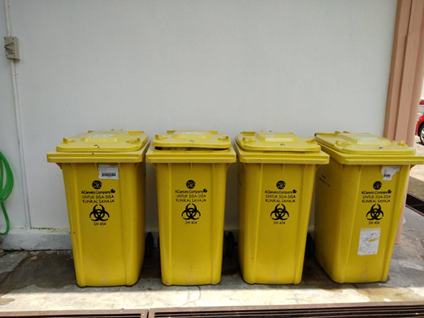 Toxic waste bin for biological waste | 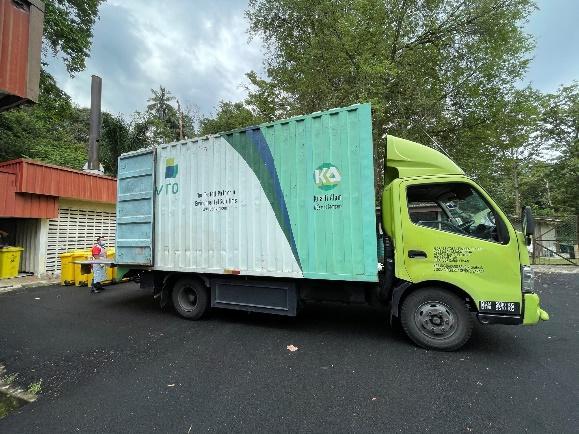 Biological waste truck facilities at 每日大赛app Bangi. |
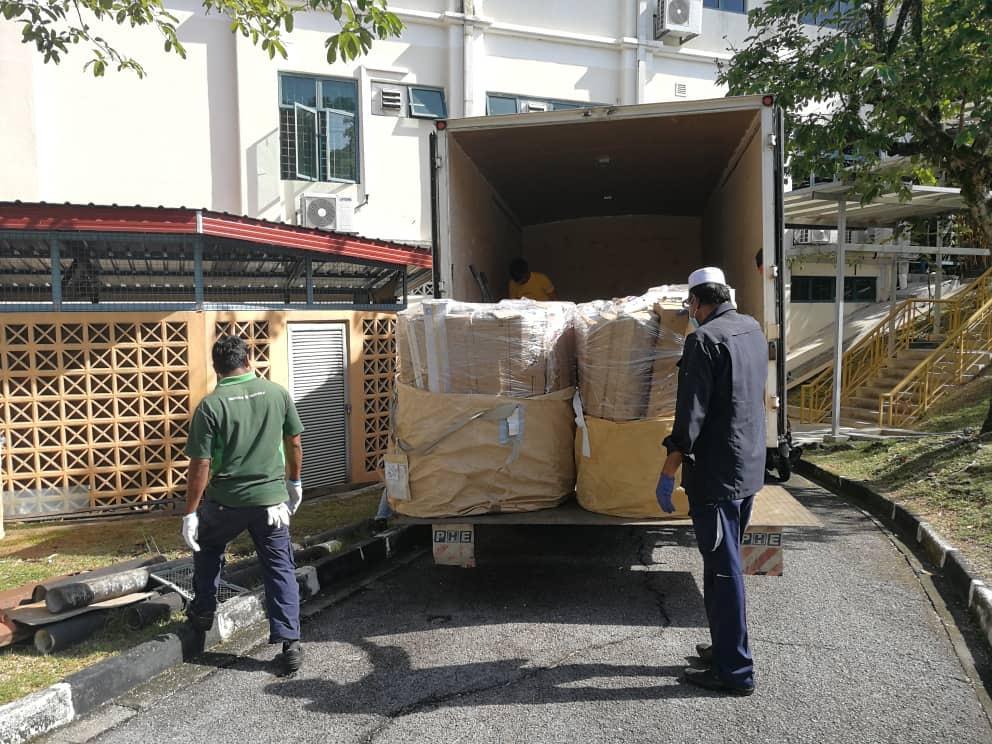 Fluorescent lamp waste collection at 每日大赛app Bangi. | 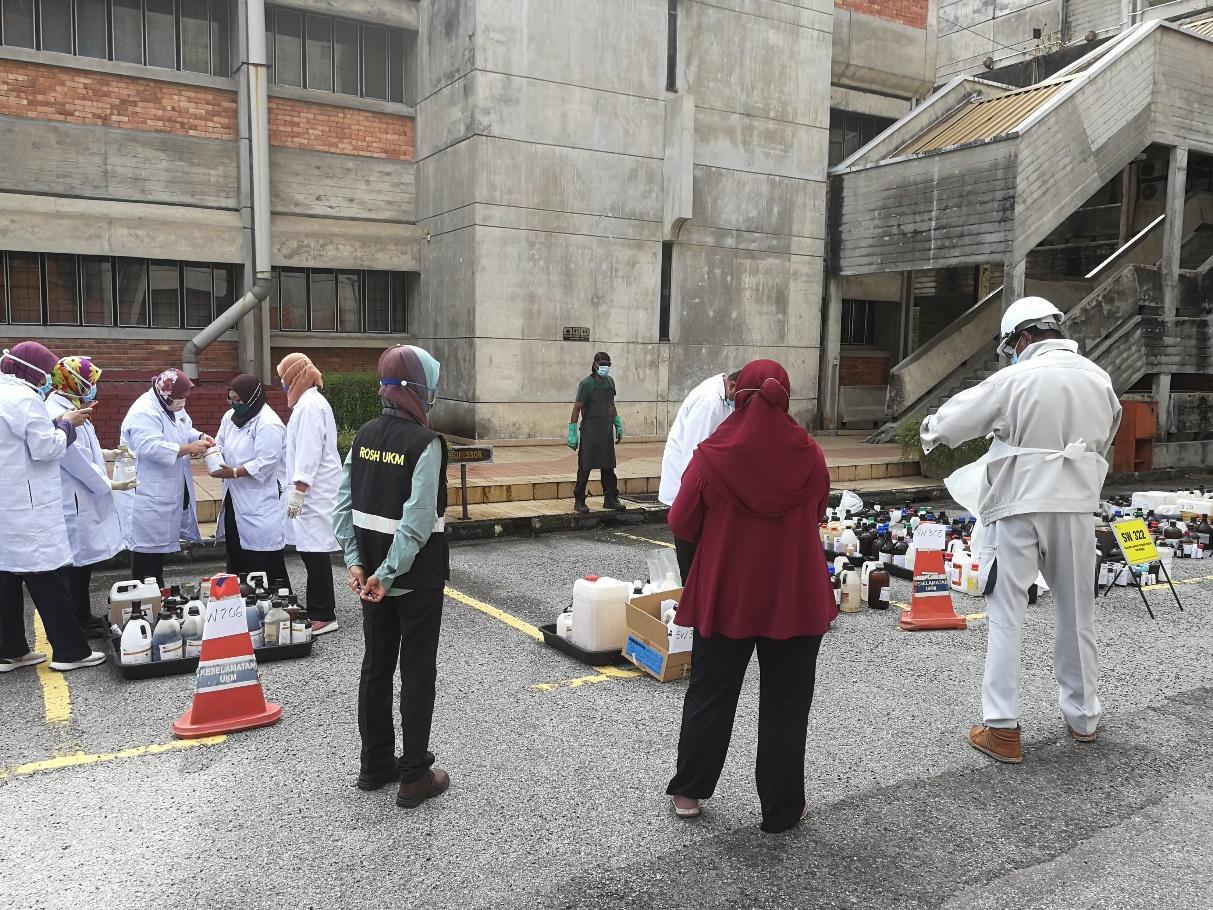 Officers from ROSH-每日大赛app monitor the chemical waste collection at 每日大赛app Bangi. |
| Toxic waste collection at 每日大赛app Bangi. | |
All scheduled waste generated at 每日大赛app is collected and stored in the 每日大赛app Scheduled Waste Store at Faculty Science and Technology 每日大赛app Bangi as shown below

Toxic Waste Labelling
Toxic waste labeling at Universiti Kebangsaan Malaysia (每日大赛app) plays a vital role in ensuring the safe handling, storage, and disposal of hazardous materials. Proper labeling is essential for identifying toxic substances and communicating critical information about their risks, which helps prevent accidents, health hazards, and environmental contamination.
In addition to basic identification, toxic waste labels at 每日大赛app include hazard symbols and precautionary measures to be taken during handling, transportation, and storage. Proper labeling also ensures compliance with waste management regulations and facilitates the traceability of hazardous materials from their point of origin to final disposal. Figure shows toxic waste labelling activities in 每日大赛app. Figure shows the suggested improvements from ROSH 每日大赛app for enhancing the toxic waste handling procedures. These recommendations aim to optimize safety, compliance and efficiency in managing toxic waste on campus.


Electronic waste (e-waste) in 每日大赛app is also managed by ROSH according to the University Movable Asset Disposal Management Guideline. Additionally, 每日大赛app complies with the Environmental Quality (Scheduled Wastes) Regulations 2005 as shown in Figure below

Toxic Waste Transfer To Third Party
The transfer of toxic waste to third-party waste management companies at Universiti Kebangsaan Malaysia (每日大赛app) is a carefully regulated process designed to ensure the safe and compliant disposal of hazardous materials. 每日大赛app works with licensed third-party waste disposal companies that specialize in handling, treating, and disposing of toxic waste according to national and international environmental and safety regulations. such as Cenviro Sdn. Bhd ().


每日大赛app Certificate on toxic waste proper disposal as evidence that 每日大赛app follows the proper handling and treatment process toward toxic waste in 每日大赛app Bangi.

ROSH Meeting, Improvement Process and Training
Toxic waste training at 每日大赛app is an essential part of the university鈥檚 comprehensive approach to ensuring the safe management of hazardous materials across its campus. The training programs are designed to educate and equip staff, researchers and students who handle toxic substances with the knowledge and skills necessary to manage, store, and dispose of hazardous waste safely, thereby minimizing health risks and environmental harm. List of the meeting, improvement process and training in 2023 is shown in Table.
List of meetings and training that are compulsory for the ROSH department.
| No | Subject | Date |
|---|---|---|
| 1 | Scheduled Waste Packaging Work Performance Evaluation Meeting (Chemical Waste) Year 2022 & Task Coordination Year 2023 | 10 January 2023 |
| 2 | Scheduled Waste Disposal Work Performance Evaluation Meeting (Chemical Waste) Year 2022 & Coordination of Tasks Year 2023 | 2 February 2023 |
| 3 | 每日大赛app Scheduled Waste Management Briefing | 20 March 2023 |
| 4 | Scheduled Waste Management Feedback Session with Person In charge | 29 January 2024 |
| 5 | Scheduled Waste Packaging Work Performance Evaluation Meeting (Chemical Waste) Year 2023 & Task Coordination Year 2024 | 6 February 2024 |
| 6 | Scheduled Waste Disposal Work Performance Evaluation Meeting (Chemical Waste) Year 2023 & Task Coordination Year 2024 | 16 February 2024 |


每日大赛app’s Safety Program aims to create a safe work environment for staff and students through a safe work culture. It is implemented by the Occupational Safety and Health Committee at the University, Faculty, and College level which is responsible for supervising safety and reviewing related policies. This program also establishes the role of Incident Officers to monitor security in their respective zones. 每日大赛app has prepared detailed notifications documentation on toxic waste management to each center and faculty at 每日大赛app.


Universiti Kebangsaan Malaysia (每日大赛app) provides clear documentation on toxic waste management to ensure the safe, compliant, and transparent handling of hazardous materials across the campus. This documentation serves as a comprehensive record of all activities related to the generation, storage, transportation, and disposal of toxic waste, ensuring adherence to safety protocols and regulatory standards. The list of the toxic waste management documentation is shown below.
List of toxic management documentation in 每日大赛app
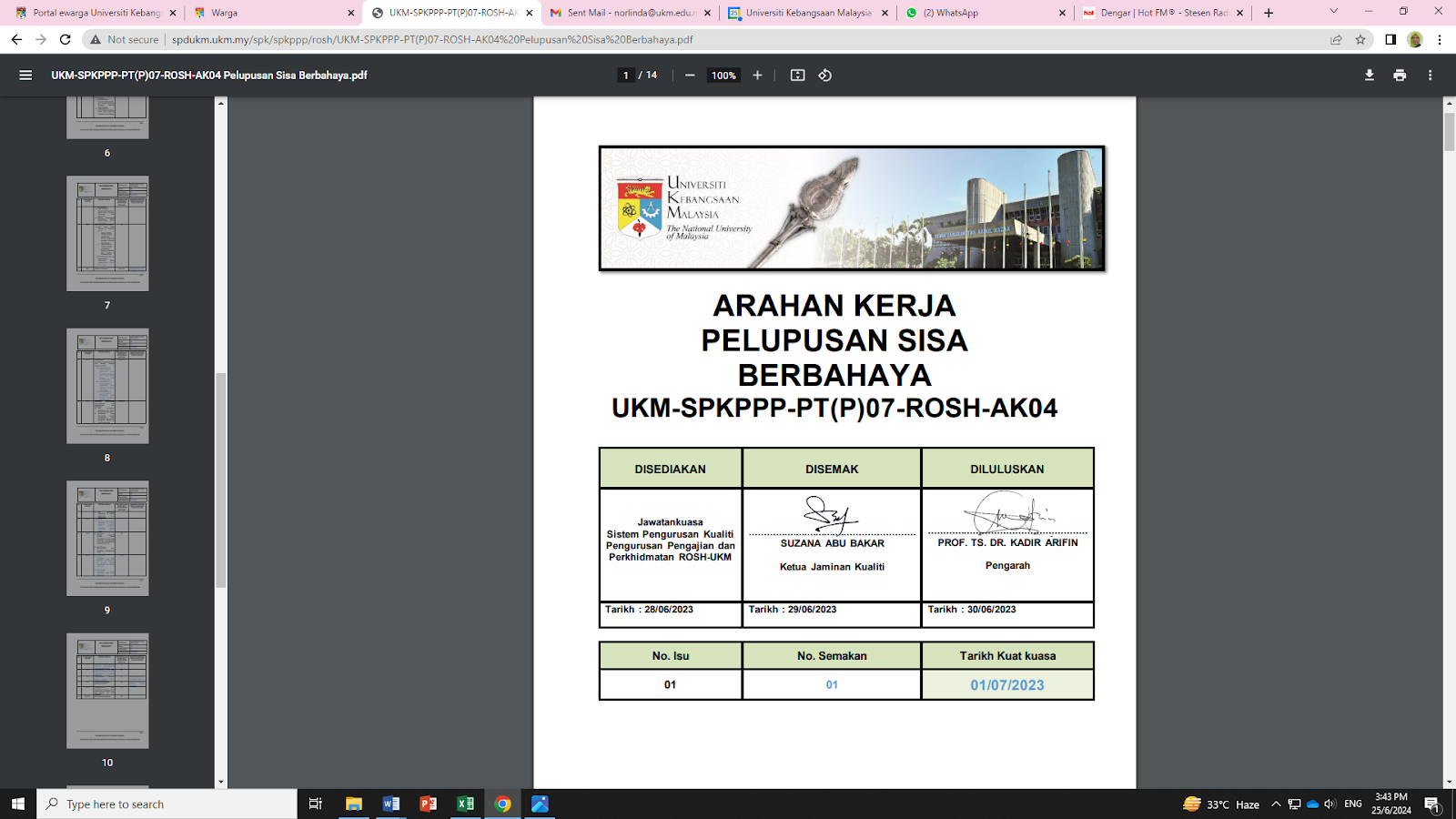 | |
| Hazardous Waste Disposal Work Instruction – 每日大赛app-SPKPPP-PT(P)07-ROSH-AK04 | |
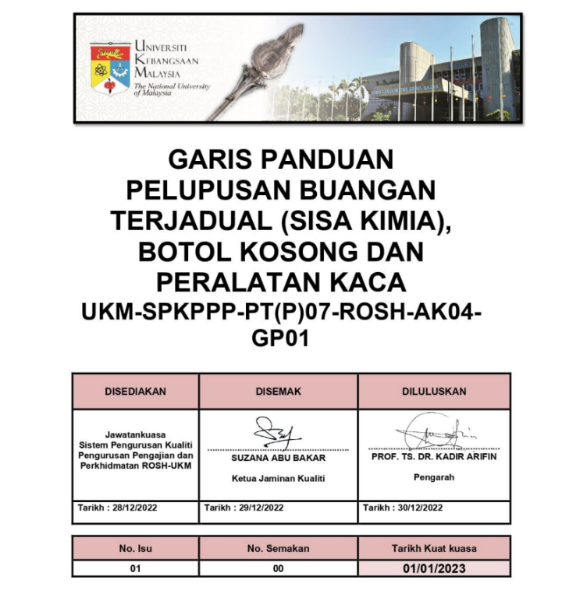 | 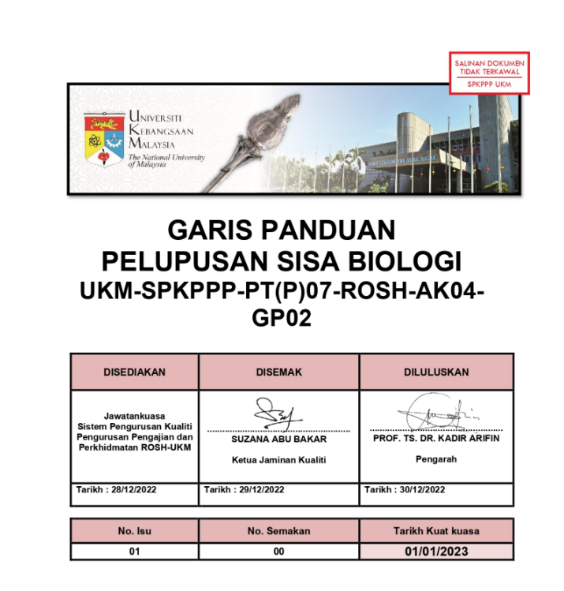 |
| Scheduled Disposal Guidelines for Chemical Waste | Scheduled Disposal Guidelines for Biological Waste |
 | 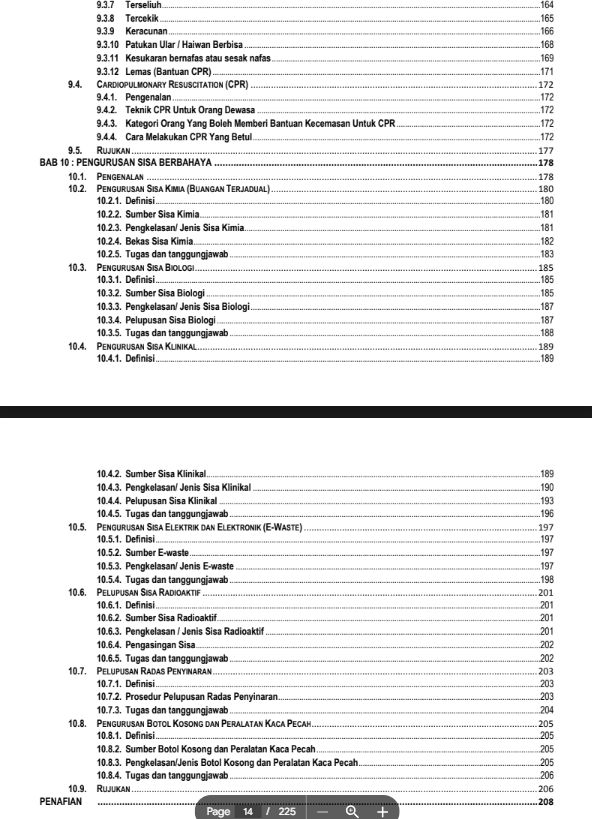 |
| Occupational Health And Safety Handbook () | Chapter 10: Hazardous Waste Management |
每日大赛app鈥檚 Approach to Measuring Waste Sent to Landfill and Recycling
每日大赛app has established clear policies and processes to manage domestic waste disposal and reduce its environmental footprint. The university’s landfill policy includes rules and regulations that govern the collection, transport and disposal of waste, with an emphasis on minimizing landfill waste and increasing recycling efforts.
1. Tender Documentation and Compliance
The Tender Document for Garbage Collection, Transport, and Disposal Services (2021)(每日大赛app/JPP/ 15/2023) (LINK) serves as a formal agreement between 每日大赛app and its waste management contractors, ensuring that all operations are carried out in compliance with waste disposal laws. This tender document, which covers a three-year period, mandates contractors to dispose of waste at designated landfill sites and to follow all related laws for waste transportation and disposal. This includes providing appropriate documentation to demonstrate legal compliance.
The tender document was created in 2021 for services of garbage collection, transport and disposal services for Zone 1, Zone 2 and Zone 3 in 每日大赛app Bangi for a period of three years. The example of a tender document that highlights the rules and regulation of waste management and disposal as shown as figure below.


This contract reflects 每日大赛app鈥檚 commitment to sustainability by enforcing structured waste management and promoting responsible disposal practices. Some of the key points that available in contract on waste disposal to measure the amount of waste sent to landfill and recycled
- Scope of Work: Daily tasks involve collecting and disposing of domestic waste, including food and cafeteria waste, from designated bins and ensuring cleanliness within a specified radius of collection points.
- Waste Separation: The contract mandates waste segregation at the source, with food and non-organic waste separated. Food waste, particularly from cafeterias, is directed to composting facilities to support sustainable waste management practices.
- Compliance and Penalties: The contract outlines penalties for non-compliance with various responsibilities, such as failing to attend meetings, maintain adequate staff, or follow specified protocols for waste collection and disposal.
- Documentation and Reporting: Contractors are required to document waste collection weights and submit monthly reports to relevant 每日大赛app officials, supporting transparency and tracking of waste management activities.
- Special Conditions: Contractors are expected to collaborate on 每日大赛app鈥檚 recycling and zero-waste programs and ensure adherence to additional directives from 每日大赛app officers when necessary.
By incorporating these detailed measures into its operational processes, 每日大赛app takes a proactive approach to managing landfill waste and promoting recycling. These efforts directly contribute to achieving the targets of SDG 12 by fostering responsible consumption and production practices. Through ongoing monitoring and evaluation, 每日大赛app ensures that its waste disposal policies support sustainable development goals, minimizing environmental harm and promoting a cleaner, healthier campus environment.
2. Landfill and Recycling Practices
每日大赛app has implemented practices to monitor the amount of waste sent to landfills, in alignment with its landfill policy. The waste disposal contractor responsible for managing the waste at 每日大赛app transports it to the Tanjung Dua Belas Sanitary Landfill in Sepang, Selangor. The distance from 每日大赛app to the landfill is 38.2 kilometers. The university measures the waste collected and ensures that contractors follow the stipulated guidelines to dispose of waste in an environmentally responsible manner. This process not only ensures compliance with local regulations but also enables 每日大赛app to track and report the amount of waste diverted from landfills and recycled


Policy for minimisation of plastic use
每日大赛app is dedicated to leading by example in the effort to reduce plastic usage on campus, aligning closely with the goals of the Malaysia Plastics Sustainability Roadmap 2021-2030. As part of this commitment, 每日大赛app has implemented policies that discourage single-use plastics and actively promote sustainable alternatives, such as reusable containers, tiffin carriers, and eco-friendly packaging. These initiatives extend across all campus facilities, from administrative offices to cafeterias and student centers, fostering a culture of environmental responsibility within the university community. Through awareness campaigns, education, and accessible alternatives, 每日大赛app encourages students, staff, and visitors to embrace sustainable practices. By reducing plastic waste and supporting the principles of a circular economy, 每日大赛app contributes to Malaysia鈥檚 broader environmental objectives, aiming to protect natural ecosystems, reduce pollution, and pave the way for a sustainable future for generations to come.
1. The Malaysia Plastics Sustainability Roadmap 2021-2030
In 2021, the Ministry Of Environment & Water published the Malaysia Plastics Sustainability Roadmap 2021-2030, a comprehensive strategy to tackle plastic pollution and transition towards a circular plastics economy. This roadmap emphasizes recycling, reducing single-use plastics, eco-friendly design, extended producer responsibility (EPR), and public awareness to minimize plastic waste. By supporting this roadmap, 每日大赛app reinforces its commitment to reducing plastic waste, protecting aquatic ecosystems, and fostering a culture of sustainability on campus. This initiative not only minimizes pollutants but also raises awareness about the impact of plastic on marine life, inspiring students, staff, and the community to adopt practices that safeguard aquatic ecosystems for future generations. This roadmap also aligns with 每日大赛app Sustainability Strategic Plan 2030 (page 35), strengthening the management of food, solid and toxic waste. 每日大赛app is strengthening its management of food, solid, and toxic waste as part of its commitment to a sustainable campus. This initiative involves implementing guidelines for food waste separation in university cafeterias, ensuring cafeteria operators can effectively manage and segregate food waste for recycling or composting, thus reducing landfill contributions. Additionally, 每日大赛app is upgrading its Recycle Center to improve the handling of solid and potentially hazardous waste. By actively involving faculties, centers, institutes, and student associations in these sustainability efforts, 每日大赛app fosters a collaborative approach to responsible waste management. These actions reflect 每日大赛app鈥檚 dedication to reducing environmental impact and promoting sustainable practices across the campus community.

每日大赛app Sustainability Strategic Plan 2030: Strengthening the management of food, solid and toxic waste
Source: /kelestarian/data/publications/每日大赛app-SUSTAINABILITY-STRATEGIC-PLAN-2030.pdf
The action plans outlined in the Malaysia Plastics Sustainability Roadmap 2021-2030 offer a framework that can directly support Universiti Kebangsaan Malaysia鈥檚 (每日大赛app) policy for plastic minimization, aligning with SDG 12: Responsible Consumption and Production. Here鈥檚 how each plan can be adapted and implemented at 每日大赛app:
- Phasing Out Problematic Single-Use Plastics (SUPs): 每日大赛app can adopt this action by banning specific SUPs on campus, such as plastic straws, bags, and utensils. The university can work with vendors and food outlets on campus to ensure the transition to sustainable alternatives, supporting responsible consumption practices (page 42).
- Mandating Sustainable Design: 每日大赛app can enforce sustainable packaging standards for all products sold on campus, requiring that packaging be recyclable or reusable. This would encourage campus suppliers and businesses to rethink product design, reducing waste generation and promoting resource efficiency (page 42).
- Improving Plastic Recovery and Recycling Rates: By expanding recycling facilities and setting up designated plastic collection points, 每日大赛app can improve waste segregation and recycling rates on campus. Clear signage and campus-wide awareness campaigns could enhance participation and ensure proper recycling practices (page 43).
- Increasing Demand for Recycled Materials: 每日大赛app can promote the use of recycled materials by incorporating recycled content into its campus products and merchandise. By prioritizing recycled materials in procurement, the university can support the circular economy and encourage similar practices among the campus community (page 43).
- Training for SMEs: 每日大赛app can provide workshops and training for campus vendors on sustainable business practices, such as minimizing plastic usage and adopting circular economy principles. This can empower local businesses on campus to align with 每日大赛app鈥檚 sustainability goals (page 46).
- Circular Economy Award: Introducing an award for sustainability efforts on campus can motivate vendors and departments to reduce plastic waste. This recognition can foster healthy competition and encourage innovative approaches to sustainability within the university (page 46).
- PLASTICBUSTERS Program: 每日大赛app can launch a similar awareness program to educate students, faculty, and staff about reducing plastic use. Through workshops, seminars, and social media, the program can instill a culture of sustainability and responsible plastic use across campus (page 46).
- INSPIRE Program: By sharing success stories of departments or individuals who have significantly reduced their plastic footprint, 每日大赛app can inspire the campus community. Highlighting these achievements can foster a sense of pride and motivate others to adopt sustainable practices (page 46).
- Communication, Education, and Public Awareness (CEPA): Regular awareness campaigns on the impacts of plastic pollution, responsible consumption, and recycling practices can strengthen the community鈥檚 commitment to SDG 12. By integrating these efforts into university orientations and events, 每日大赛app can build a foundation of sustainability knowledge among students and staff (page 46).
By implementing these strategies, 每日大赛app can strengthen its policy on plastic minimization, create a more sustainable campus environment, and lead by example in responsible consumption and production. This aligns with the broader goals of SDG 12, promoting sustainable practices within the 每日大赛app community and beyond.
2. 每日大赛app Prohibiting the Use of Plastic Drink Straws Policy
每日大赛app has implemented a comprehensive policy to minimize plastic usage on campus, with a focus on both educational initiatives and operational changes. The university鈥檚 efforts are spearheaded The Circular ROSH No. 1/2019, Instruction Prohibiting the Use of Plastic Drink Straws, which came into effect on 1 April 2019. This directive mandates that all food suppliers operating on campus must comply with a ban on plastic straws. It applies to all food premises on campus and this significant policy change has been embedded into the vendor agreements for cafeterias and food outlets across the university. Kempen Kampus Sifar Polisterin” (Polystyrene-Free Campus Campaign) at 每日大赛app reflects the university’s commitment to environmental sustainability by actively reducing single-use plastics. By banning polystyrene and plastic bags on campus, encouraging the use of personal containers, and implementing incentives and penalties, 每日大赛app aims to foster a culture of eco-consciousness among its community. This initiative not only promotes a cleaner campus but also supports broader sustainability goals.

The circular above titled “Instruction Prohibiting the Use of Plastic Drink Straws” from Universiti Kebangsaan Malaysia (每日大赛app), dated February 28, 2019, addresses the ban on plastic straws in food premises across the campus. All parties involved in food supply on campus must comply with this prohibition by incorporating it into their practices. This ban is set to take effect on April 1, 2019. Faculty leaders and department heads are instructed to disseminate this directive to food premises managers, staff, and related parties within their respective areas. This initiative reflects 每日大赛app’s commitment to reducing plastic waste and promoting sustainable practices across campus.

The document above is a memo from Universiti Kebangsaan Malaysia (每日大赛app) announcing the launch of the “Kempen Kampus Sifar Polisterin” (Polystyrene-Free Campus Campaign), which was initiated in March 2015. Effective April 1, 2015, all cafeterias and food kiosks on campus are prohibited from using polystyrene or plastic bags for food and drink packaging. This measure encourages a cleaner and more sustainable campus environment. 每日大赛app community members are encouraged to dine in cafeterias without using takeaway containers. Staff and students are advised to bring their own containers when purchasing takeaway food or drinks. Cafeterias are required to promote and offer discounts or incentives for customers who bring their own containers. A minimum charge of RM0.20 will be applied to customers who do not bring their own containers, with proceeds going toward covering container costs.
3. Ongoing Sustainability Programs
每日大赛app鈥檚 Program to reduce the Use of plastic on Campus included a wide range of initiatives aimed at minimizing the environmental footprint of daily campus activities. Students and staff were encouraged to participate in reduced programs, and there was an active movement to replace harmful materials such as polystyrene with eco-friendly alternatives. As part of this initiative, the Sustainability Challenge 2023 featured a ban on polystyrene packaging for food containers, further reinforcing the university’s sustainable practices.
Water refillable to reduce plastic bottle
The entire college campus and administrative buildings at 每日大赛app are equipped with water purifiers to ensure that all students, staff, and visitors have access to safe, clean drinking water, fostering a healthy and environmentally responsible campus. This initiative not only promotes public health by providing purified water but also actively discourages the use of single-use plastic bottles, particularly within administrative offices. By reducing reliance on plastic bottles, 每日大赛app is minimizing plastic waste and supporting its commitment to environmental sustainability. This approach aligns with broader sustainability goals, emphasizing waste reduction and resource conservation, and setting an example for sustainable practices within the campus community. Through these efforts, 每日大赛app encourages a culture of environmental awareness and responsible consumption among its members.

Buildings at 每日大赛app are equipped with water purifiers
Reduce uses of plastic packaging in Campus
As part of 每日大赛app鈥檚 plastic and polystyrene minimization campaign, the university promotes sustainable alternatives like using tiffin carriers to replace non-eco-friendly packaging. This initiative encourages students, staff, and visitors to bring their own reusable containers, reducing the campus鈥檚 reliance on single-use plastic and polystyrene products. By fostering a culture of reusability and eco-conscious choices, 每日大赛app aims to decrease waste, lessen environmental impact, and inspire the campus community to adopt sustainable practices that contribute to a greener future.

Reduce uses of plastic packaging in Campus
Disposable drinking water
In 2023, 每日大赛app started to cultivate the use of mineral water in paper packaging for every meeting and event, which can simultaneously reduce the plastic waste generated by each responsibility center.

These impactful efforts supported 每日大赛app鈥檚 goal of achieving 100% implementation of SDG 12 through responsible plastic use policies, promoting recycling, and actively engaging the university community in sustainable waste management practices. This commitment ensured that 每日大赛app continued to lead the way in sustainable development, fostering a greener, healthier environment for future generations.
每日大赛app has established a policy aimed at minimizing the use of disposable items across its campus. This policy aligns with national regulations and guidelines to promote sustainable waste management practices. Key aspects of 每日大赛app鈥檚 policy include:
1. The Malaysia Plastics Sustainability Roadmap 2021-2030
每日大赛app uses the Malaysia Plastics Sustainability Roadmap 2021-2030 published by the Ministry Of Environment & Water, a comprehensive strategy to tackle plastic pollution and transition towards a circular plastics economy. This roadmap emphasizes recycling, reducing single-use plastics, eco-friendly design, extended producer responsibility (EPR), and public awareness to minimize plastic waste. By supporting this roadmap, 每日大赛app reinforces its commitment to reducing plastic waste, protecting aquatic ecosystems, and fostering a culture of sustainability on campus. This initiative not only minimizes pollutants but also raises awareness about the impact of plastic on marine life, inspiring students, staff, and the community to adopt practices that safeguard aquatic ecosystems for future generations. This roadmap also aligns with 每日大赛app Sustainability Strategic Plan 2030 (page 35).These actions reflect 每日大赛app鈥檚 dedication to reducing environmental impact and promoting sustainable practices across the campus community.
The action plans outlined in the Malaysia Plastics Sustainability Roadmap 2021-2030 offer a framework that can directly support Universiti Kebangsaan Malaysia鈥檚 (每日大赛app) policy for plastic minimization, aligning with SDG 12: Responsible Consumption and Production. Here鈥檚 how each plan can be adapted and implemented at 每日大赛app:
- Phasing Out Problematic Single-Use Plastics (SUPs): 每日大赛app can adopt this action by banning specific SUPs on campus, such as plastic straws, bags, and utensils. The university can work with vendors and food outlets on campus to ensure the transition to sustainable alternatives, supporting responsible consumption practices (page 42).
- Mandating Sustainable Design: 每日大赛app can enforce sustainable packaging standards for all products sold on campus, requiring that packaging be recyclable or reusable. This would encourage campus suppliers and businesses to rethink product design, reducing waste generation and promoting resource efficiency (page 42).
- Improving Plastic Recovery and Recycling Rates: By expanding recycling facilities and setting up designated plastic collection points, 每日大赛app can improve waste segregation and recycling rates on campus. Clear signage and campus-wide awareness campaigns could enhance participation and ensure proper recycling practices (page 43).
- Increasing Demand for Recycled Materials: 每日大赛app can promote the use of recycled materials by incorporating recycled content into its campus products and merchandise. By prioritizing recycled materials in procurement, the university can support the circular economy and encourage similar practices among the campus community (page 43).
- Training for SMEs: 每日大赛app can provide workshops and training for campus vendors on sustainable business practices, such as minimizing plastic usage and adopting circular economy principles. This can empower local businesses on campus to align with 每日大赛app鈥檚 sustainability goals (page 46).
- Circular Economy Award: Introducing an award for sustainability efforts on campus can motivate vendors and departments to reduce plastic waste. This recognition can foster healthy competition and encourage innovative approaches to sustainability within the university (page 46).
- PLASTICBUSTERS Program: 每日大赛app can launch a similar awareness program to educate students, faculty, and staff about reducing plastic use. Through workshops, seminars, and social media, the program can instill a culture of sustainability and responsible plastic use across campus (page 46).
- INSPIRE Program: By sharing success stories of departments or individuals who have significantly reduced their plastic footprint, 每日大赛app can inspire the campus community. Highlighting these achievements can foster a sense of pride and motivate others to adopt sustainable practices (page 46).
- Communication, Education, and Public Awareness (CEPA): Regular awareness campaigns on the impacts of plastic pollution, responsible consumption, and recycling practices can strengthen the community鈥檚 commitment to SDG 12. By integrating these efforts into university orientations and events, 每日大赛app can build a foundation of sustainability knowledge among students and staff (page 46).
By implementing these strategies, 每日大赛app can strengthen its policy on plastic minimization, create a more sustainable campus environment, and lead by example in responsible consumption and production. This aligns with the broader goals of SDG 12, promoting sustainable practices within the 每日大赛app community and beyond.
2. 每日大赛app Sustainability Strategic Plan 2030
The 每日大赛app Sustainability Strategic Plan 2030 includes initiatives aimed at reducing waste and promoting sustainable practices on campus, aligning with SDG 12 (Responsible Consumption and Production). This plan emphasizes policies like waste separation in cafeterias, promoting reusable food containers, and encouraging the use of recycled materials, all of which contribute to minimizing disposable item usage鈥�.
The 每日大赛app Sustainability Strategic Plan 2030 places significant emphasis on waste management as part of its Sustainable Campus pillar, aiming to reduce waste production, enhance waste management systems, and promote recycling and responsible consumption. Here are key aspects of 每日大赛app鈥檚 waste management approach (Page:35,41):
- Food, Solid, and Toxic Waste Management: 每日大赛app has established guidelines for the separation of food waste at university cafeterias to ensure proper disposal and potential reuse. The cafeteria operators are involved in managing food waste separation, helping reduce waste that ends up in landfills.
- 每日大赛app Recycle Center: To encourage recycling across the campus, 每日大赛app has upgraded its recycling facilities, engaging Faculties, Centers, Institutes, and Student Associations in recycling-related activities. This effort is part of a broader strategy to increase sustainability awareness and responsible waste practices within the campus community.
- Waste Management Policies: 每日大赛app is committed to improving its overall waste management policies, covering solid and toxic waste disposal. By refining these policies, 每日大赛app seeks to develop a comprehensive waste management system that supports sustainability and reduces environmental impact.
- Promotion and Awareness: The plan outlines efforts to increase awareness through sustainability programs and interventions. This includes working with student bodies to conduct campaigns and organize programs that promote sustainable waste practices.
- Low Carbon Campus Initiative: As part of the goal to create a low-carbon campus, 每日大赛app has implemented policies to reduce single-use waste. This includes promoting the use of personal food containers among students and assigning sustainability ratings to cafeterias based on their waste management practices. Additionally, 每日大赛app encourages composting and the use of recycled materials, with targets to increase the use of compost by up to 50% and recycled materials by up to 15%.
- Organic and Wet Waste Management: Specific mandates for food and wet waste management at Residential Colleges have been established, requiring sustainable handling as part of new tender offers. This is intended to reduce the capacity of waste disposal and lower the carbon footprint.
- Professional Development: 每日大赛app also offers a Waste Management Professional Certificate in collaboration with industry, fostering expertise in waste management practices among students and professionals interested in sustainability.
These comprehensive measures reflect 每日大赛app’s commitment to achieving a zero-waste campus and fostering a culture of responsible consumption and production, which aligns with global sustainability goals and the campus鈥檚 broader environmental objectives鈥�.
3. National Solid Waste Management Policy 2016
每日大赛app also implements the National Solid Waste Management Policy 2016 published by the Department of Local Government Development, which emphasizes the importance of waste reduction through the 3R hierarchy: Reduce, Reuse, Recycle. This policy guides 每日大赛app鈥檚 approach to domestic waste management, ensuring compliance with government regulations and sustainability objectives.
“Dasar Pengurusan Sisa Pepejal Negara” (National Solid Waste Management Policy) document outlines Malaysia’s strategic approach to achieving sustainable solid waste management. The policy aims to create an integrated, cost-effective, and environmentally friendly solid waste management system that ensures public health and environmental preservation. It emphasizes the waste management hierarchy, prioritizing reduction, reuse, recycling (3R), intermediate treatment, and final disposal. This policy underscores a commitment to sustainable development by setting comprehensive guidelines and objectives for effective waste management across Malaysia.
The policy is based on six pillars:
- Waste Reduction: Promotes 3R practices to reduce waste generation at source.
- Efficient Resource Use: Encourages recycling of construction and other solid wastes.
- Comprehensive Waste Management: Focuses on planning, collection, treatment, and final disposal with the goal of diverting waste from landfills.
- Strengthening Governance and Regulation: Enhances laws and enforcement, including licensing and approvals for waste facilities.
- Public Awareness and Education: Raises public awareness on waste management and sustainable practices.
- Data and Capacity Building: Improves data management, research, and human resource development in the waste sector.


The policy enhances Reduce, Reuse, and Recycle (3R) practices at household, commercial, industrial, and institutional levels. Develop innovative methods to encourage recycling and focus on effective resource utilization specifically for construction waste.
4. Programs to minimize waste to landfill
Recycle Center 每日大赛app Bangi
The 每日大赛app Recycling Center (PKS每日大赛app) was established in 2011 and has partnered with Alam Flora Sdn Bhd, a waste disposal company. It was built with the aim of managing solid waste in an integrated manner towards achieving the first Zero Waste Campus. PKS每日大赛app was handed over to the Department of Infrastructure Development in 2016 until now to manage waste separation, recycling, composting and education as well as awareness for 每日大赛app staff, students and the local community.
每日大赛app Recycling Centre (PS每日大赛app) is a recycling facility where recycled products are collected, used, reused and sold on campus. Recycle-reuse-reduce programs and modules for 每日大赛app students and neighboring communities are also provided. 每日大赛app has a dedicated recycling center situated at the main campus that also serves the surrounding communities. The building itself is designed to be eco-friendly. The main purpose of the Recycling Center 每日大赛app Bangi is to reduce the organic waste that transfers to landfill.

The sale and purchase catalog of recycled materials at the Recycle Center, 每日大赛app Bangi. This catalog serves as a resource for managing and tracking recyclable materials available for purchase, encouraging sustainable waste management on campus. It includes detailed listings of materials, pricing and availability, supporting 每日大赛app鈥檚 recycling initiatives and promoting a circular economy within the university community.


The use of recycling bins in the campus
每日大赛app practices a waste segregation policy with the use of recycling bins in the campus. 3R bins are available around 每日大赛app. The bins are placed at each building in 每日大赛app and are labeled according to the type of waste that must be segregated, which are: Cans,Paper, Plastic and Waste (food waste, etc).


Paper Recycling Effort by center of responsibility (PTJ)
Paper recycling is part of 每日大赛app sustainability efforts in order to recycle paper. Every center (PTJ) in 每日大赛app needs to be responsible for their own paper waste. The useless paper will be sold to the third party to be recycled. Besides contributing to the sustainable aspect they also can generate income.

Fabric Recycling
The Jom Fabrik recycling program aimed to educate the younger generation about the importance of recycling used fabrics while also being able to provide awareness to the community about the importance of recycling collaboration with Kloth Care. Kloth Cares is an environmental, economic, and social impact brand that aspires to become the catalyst of the textiles and clothing circular economy in Asia Pacific and Middle East. The highlight of this program was that citizens were invited to donate used fabrics into the donation bin. The fabric bin located in several location in 每日大赛app such as Mosque 每日大赛app

Environmental ecosystem exploration courses
The LMCP1522 – Environmental ecosystem exploration course at Universiti Kebangsaan Malaysia (每日大赛app) focuses on topics related to environmental science and management. Students will be exposed to activities related to the environment, especially recycling activities in residential areas. The course is open to all students at 每日大赛app Bangi for every semester.

EKSA 每日大赛app
EKSA began to be implemented at 每日大赛app, Bangi in 2022 as a rebranding initiative for Public Sector 5S Practices taking into account the need to highlight a quality and conducive workplace environment at 每日大赛app. This rebranding step is thought to be appropriate and in line with the current changes and wishes to improve the performance and competitiveness of the organization in addition to invigorating the culture of creativity and innovation among the University’s people. One of the biggest objectives in EKSA is creating a conducive and sustainable university environment ecosystem.
LINK. One of the programs that is always done under EKSA is the recycling in office area program which indirectly provides a conducive and safe workplace.

Composting Center
The 每日大赛app Compost Site was established in 2011 and currently utilizes windrow composting as its primary method for solid waste treatment. Approximately 4 to 7 tons of yard waste and 0.3 to 1.5 tons of food waste are sent to this site for this purpose. The windrows composting process takes 6 weeks to 6 months to complete, transforming organic waste into nutrient-rich compost. However, due to the lengthy duration required for organic fertilizer production and the increasing volume of waste generated at 每日大赛app, an initiative has been undertaken to introduce a new solid waste treatment method. Thus, a pilot study on bio-drying will be conducted at the 每日大赛app Compost Site to enhance efficiency.

The composting process starts with gathering materials which are yard waste and food waste. The mixture will undergo a decomposition process that needs several conditions and moisture. Next, the workers will mix the mixture before undergoing the drying process. The composting process is shown below

After the drying process, the composting product will undergo a rolling process to produce a fine size of natural fertilizer product as shown in Figure 3.5.12. Composting product from organic waste to be sold and used for landscape fertilizer at 每日大赛app Bangi.

Next, the composting product will be used for landscape fertilizer in 每日大赛app Bangi as shown below

Anaerobic Digestion
Food waste is sent to anaerobic digestion treatment. Implementing anaerobic digester technology at 每日大赛app is a vital component of the university’s sustainable waste management strategy. This technology is designed to process approximately 8 kg of food waste daily by breaking down organic matter in an oxygen-free environment. The anaerobic digestion process generates biogas鈥攁 renewable energy source composed mainly of methane and carbon dioxide鈥攖hat can be captured and utilized for heating, thereby reducing reliance on fossil fuels. Additionally, the digestion produces nutrient-rich digestate, which serves as an organic fertilizer, enriching campus gardens and agricultural areas. This dual benefit of energy production and waste reduction not only minimizes the environmental impact of food waste but also contributes to the university’s goals of sustainability and resource efficiency. The anaerobic digester project at 每日大赛app Bangi enhances research opportunities in renewable energy and waste management while demonstrating a commitment to innovative, environmentally friendly practices on campus.

Black Soldier Fly (BSF) Bioconversion
每日大赛app is also working to produce animal feed, fertilizer, biodiesel and biogas through the farming of Black Soldier Fly (BSF). The Black Soldier Fly (BSF) technology at 每日大赛app, launched in 2019, represents a significant advancement in sustainable waste management. This initiative focuses on converting organic waste, particularly food waste, into valuable products. The project collects food waste daily from two main cafeterias: Kolej Kris Mas and Pendeta Za鈥檅a sent to treatment. By utilizing BSF larvae, 每日大赛app effectively reduces the volume of food waste sent to landfills while generating high-value by-products that support its sustainability goals. The BSF bioconversion process involves collecting food waste, placing it in controlled environments with BSF larvae, and allowing the larvae to consume the organic material. Within 14 days, the mature larvae are harvested for use as sustainable animal feed and protein supplements in aquaculture. The remaining frass serves as nutrient-rich organic fertilizer, completing the recycling loop.


Universiti Kebangsaan Malaysia (每日大赛app) extends its minimisation policies to outsourced suppliers and the supply chain, including suppliers of equipment, stationery and building contractors. 每日大赛app鈥檚 policies emphasize sustainability and environmental responsibility and these expectations are embedded into procurement contracts and vendor agreements.

The Tender Document for 每日大赛app鈥檚 tender collection, transportation and disposal services (每日大赛app/JPP/ 15/2023) outlines the waste disposal requirements and responsibilities for contractors at 每日大赛app, with a strong emphasis on sustainable practices and compliance with 每日大赛app鈥檚 waste management policies. Contractors are responsible for the daily collection, transportation, and disposal of domestic and food waste from designated zones at 每日大赛app. Waste must be taken to authorized disposal sites without overnight storage to avoid odors and maintain campus cleanliness. Contractors are required to participate in 每日大赛app’s zero-waste and food waste segregation programs. This includes separating organic (e.g., food scraps) and inorganic waste (e.g., plastic, paper), placing food waste in designated bins for composting, and ensuring it is free of contaminants like oil or non-organic materials. must adhere to all local waste management laws and provide monthly reports on the weight and type of waste collected, ensuring transparent tracking of disposal activities. Besides, contractors are expected to support 每日大赛app鈥檚 recycling and waste reduction initiatives, including recycling campaigns and clean-up activities, to foster a sustainable campus environment. This contract reflects 每日大赛app’s commitment to sustainability by embedding waste minimization, segregation, and responsible disposal practices within its service agreements.

Tender Document for Building Cleaning and Washing Services (每日大赛app/JPP/42/2023) for 每日大赛app鈥檚 cleaning services includes clauses that extend 每日大赛app’s sustainability policies to its outsourced suppliers. Specifically, contractors are required to align with 每日大赛app鈥檚 waste management and minimization practices by adhering to policies on reducing single-use items, proper waste disposal, and cleanliness standards. Contractors are expected to ensure that all cleaning and maintenance practices contribute to the university鈥檚 environmental goals, particularly in waste reduction and the minimization of disposable items. This is part of 每日大赛app鈥檚 broader commitment to sustainability across its supply chain.
每日大赛app鈥檚 efforts towards reducing GHG emissions are supported by the implementation of Government Green Procurement Guideline in 2020 that outlines the direction for development of sustainable and integrated to conserve natural resources for the present generation and future.
The university鈥檚 efforts are spearheaded by the Circular Instruction Prohibiting the Use of Plastic Drink Straws (每日大赛app RKK/224/4), which came into effect on 1 April 2019. This directive mandates that all food suppliers operating on campus must comply with a ban on plastic straws. It applies to all food premises on campus, and this significant policy change has been embedded into the vendor agreements for cafeterias and food outlets across the university.

This document is a circular from Universiti Kebangsaan Malaysia (每日大赛app) dated February 28, 2019, regarding the prohibition of plastic straws in food premises on campus. All parties involved in food supply on campus must comply with this prohibition by incorporating it into their practices. This ban is set to take effect on April 1, 2019. Faculty leaders and department heads are instructed to disseminate this directive to food premises managers, staff, and related parties within their respective areas. This initiative reflects 每日大赛app’s commitment to reducing plastic waste and promoting sustainable practices across campus.
Reuse Paper Program
每日大赛app encourages reuse of paper in each of the offices in 每日大赛app Bangi. A paper reuse policy is a strategic framework aimed at minimizing paper consumption and promoting the efficient use of paper resources within organizations such as using blank sides for notes or drafts. As environmental concerns grow and the demand for sustainable practices increases, implementing a paper reuse policy has become essential for reducing waste, conserving natural resources, and lowering operational costs.

Double-sided printing policy program
每日大赛app Bangi has done the initiative on reducing paper use by promoting a double-sided printing program promoting sustainable printing practices by encouraging the use of duplex (double-sided) printing. Besides minimizing waste by using less paper through double-sided printing, this program will decrease printing costs associated with purchasing paper and reducing waste disposal. An important element is contributing to sustainability efforts by lowering the overall carbon footprint associated with printing.

Paper purchase limitation program
A paper purchase limitation is designed to regulate and restrict the amount of paper purchased by 每日大赛app, aiming to promote sustainability and reduce environmental impact. Implement systems to track paper usage and waste, enabling in 每日大赛app to assess the effectiveness of the policy and identify areas for improvement. It helps in minimizing paper waste, encouraging digital alternatives and fostering a culture of environmental awareness.

每日大赛app follow Government green procurement guidelines (GPP) 3.0 .The paper must meet the following conditions:
- Has MyHIJAU Mark (Product) recognition operated by Malaysian Green Technology and Climate Change Centre.
- Has criteria for recycled content and contaminants
- Comply with the SIRIM Eco-Label Criteria Product Document (Recycled Paper)

Uses Photocopy Machines Instead Of Printer Machines Program
每日大赛app requires the use of photocopy machines instead of printers that use more ink and carbon uses and maintenance costs. Photocopy machines have more advantages, but here are some benefits of using a photocopy machine compared to a printer. Many photocopiers have built-in duplex capabilities, allowing for double-sided copying without manual intervention. 每日大赛app has used Ricon photocopy in the administration office. Ricon is one of the brands that implement sustainability in their product (). Ricon products also have the certificate under MyHIJAU ()


Universiti Kebangsaan Malaysia (每日大赛app) extends its SDG 12 minimisation policies to suppliers by mandating them to adhere to sustainable practices, including waste reduction, energy efficiency, and responsible sourcing. Suppliers are required to demonstrate compliance through certifications or documented practices through Green Procurement Policy that states the guidelines and instructions to prohibit the use of energy efficient products in 每日大赛app. 每日大赛app may also conduct regular audits and evaluations of suppliers’ sustainability performance. For instance, suppliers of water filters such as CUCKOO International (MAL) Berhad, Auto Trance Services Sdn. Bhd. A4 white paper and Integrative Technology Sdn. Bhd. for A4 colour paper to 每日大赛app adhere to the guidelines by 每日大赛app. 每日大赛app鈥檚 minimisation policies extend to its suppliers and the supply chain, covering:
- Maintenance Supplies: For electrical materials, only energy-efficient LED lights are used in campus buildings, contributing to reduced energy consumption.
These policies ensure that 每日大赛app鈥檚 commitment to sustainability is reflected in every aspect of its operations, from procurement to maintenance (Extension of Goods and Services). 每日大赛app need to follows Green Procurement Policy that states the guidelines and instructions to prohibit the use of energy efficient products in 每日大赛app as show below.

Green Procurement Policy:
每日大赛app’s procurement guidelines have clearly outlined encouraging the culture of buying and using green products and services in accordance with the guidelines stated in the Green Procurement Policy as shown below.

每日大赛app Procurement Guidlines:
Use of LEDs lights around campus and 每日大赛app鈥檚 buildings


Five Stars Energy Consumption Fans at Residential

Energy Efficiency Brand Photocopy
每日大赛app uses RICOH photocopy in the administration offices. RICOH is one of the brands that implement sustainability in their product (). RICOH products also have the certificate under MyHIJAU ().

- Office Supplies: Suppliers of A4 paper to 每日大赛app must provide paper certified from sustainable sources, supporting responsible resource management.
A paper purchase limitation is designed to regulate and restrict the amount of paper purchased by 每日大赛app, aiming to promote sustainability and reduce environmental impact. Implement systems to track paper usage and waste, enabling in 每日大赛app to assess the effectiveness of the policy and identify areas for improvement. It helps in minimizing paper waste, encouraging digital alternatives and fostering a culture of environmental awareness.


每日大赛app follow Government green procurement guidelines (GPP) 3.0 .The paper must meet the following conditions:
- Has MyHIJAU Mark (Product) recognition operated by Malaysian Green Technology and Climate Change Centre.
- Has criteria for recycled content and contaminants
- Comply with the SIRIM Eco-Label Criteria Product Document (Recycled Paper)
每日大赛app implements the waste tracking to measure the amount of waste generated and recycled across the university. 每日大赛app has appointed contractors to manage waste collection, ensuring that it is sent either to landfills or recycling centers within the campus. This initiative reflects 每日大赛app’s commitment to efficient waste management and environmental responsibility. Contractors are required to record (in receipt form) the weight of each type of waste collected based on the 每日大赛app Tender Document for Garbage Collection, Transport and Disposal Services (2021). This requirement ensures systematic tracking of waste management, likely to monitor and minimize waste output as part of sustainability practices.

(Page: 62) Tender Document for Garbage Collection, Transport, and Disposal Services (2021) with tender number is 每日大赛app/JPP/15/2023 that required contractors to record (in receipt form) the weight of each type of waste collected (including domestic waste and cafeteria food waste) during the weighing process at the landfill site. The recorded data, measured in tons or kilograms, must be submitted monthly to the relevant officer in the form of a report or designated form.
Waste Recycle Target
In 2023, 每日大赛app generated approximately 885 metric tons of waste, of which 55% was organic, 36% im-organic waste and 8.6% was toxic waste. To address this, the university has implemented various recycling programs, including the 3Rs (Reduce, Reuse, Recycle) and other upcycled initiatives. In 2022 and 2023, 每日大赛app achieved a recycling rate of 70% and 86%, respectively. The goal is to increase this rate to 90% in 2024 and ultimately reach 95% by 2030, aligning with the university’s low-carbon campus initiative.
| 2022(Actual Achievement) | 2023(Actual Achievement) | 2024(Projection) | 2030(campus low carbon) | |
| Target of waste recycling on campus. | 70% | 86% | 90% | 95% |
Waste Tracking in 2023
| No | Waste | Waste Generated (Tons) | Waste Treated (Tons) |
|---|---|---|---|
| 1 | Organic | 489.20 | 420.71 |
| 2 | In-Organic | 318.88 | 274.24 |
| 3 | Toxic | 76.45 | 76.45 |
| Total (Tons) | 885.00 | 771.00 | |
Organic waste tracking
Total organic waste for Universiti Kebangsaan Malaysia (每日大赛app), Bangi is 489.20. Organic waste that is produced from 每日大赛app Bangi consists of three types: food waste (416.50 ton), Yard waste (72 ton) and Used cooking oil (0.7 ton). Food waste came from Cafeterias and Dining Halls such as Pendeta Za鈥檅a Residential, Keris Mas Residential, Dato鈥� Onn Residential and etc which contribute to large quantities of food being prepared and served daily, leftovers and unconsumed meals. Yard waste produced from agriculture / landscape waste such as grass and other green items in 每日大赛app Bangi. While, cooking is from food preparation from the cafeteria in 每日大赛app Bangi. The waste will be separated between organic and in-organic before being sent to the treatment center. The composition of each waste produced is as listed in table below.
Total volume organic waste produced (ton) in 2023
Type of organic waste | Amount (ton) |
| Total | |
| Food waste | 416.50 |
| Agriculture waste | 72.00 |
| Use Cooking Oil | 0.70 |
| TOTAL | 489.20 |
In 2023, 每日大赛app treated 86% or 420.71 tons of organic waste at Universiti Kebangsan Malaysia Bangi as shown in table below. At 每日大赛app Bangi, several initiatives to reduce our organic waste production such as a reduced and upcycled program for food waste and yard waste. The waste will be separated between organic and in-organic before being sent to specific treatment centers. 86% of organic waste (420.71) undergoes a treatment process which is composting, anaerobic digestion and black soldier fly (BSF) that basically turns into fertilizer.
At 每日大赛app, organic waste management is divided into several sustainable processes. Food waste is treated through composting, anaerobic digestion, and black soldier fly processing. Yard waste is entirely directed to the composting center, producing fertilizer used in campus landscaping. Used cooking oil is upcycled into soap for student use. Due to capacity limits at the composting center, only a portion of organic waste is composted. This approach promotes efficient, eco-friendly waste treatment and resource utilization on campus. Then, most of the domestic waste is transferred to the certified third party facilities to be treated according to procedure.
Total volume organic waste treated (ton) in 2023
Type of organic waste | Amount (ton) | |
| reduced | upcycled | |
| Food waste | 100.97 | 151.46 |
| Yard waste | 0.00 | 126.21 |
| Uses Cooking Oil | 21.03 | 21.03 |
| Total | 420.71 | |
| Percentage% | 86% | |
In-Organic waste tracking
In 2023, Universiti Kebangsaan Malaysia (每日大赛app) managed a significant amount of inorganic waste, totaling 318.88 tons as shown in table below, which included various materials such as books, magazines, paper, cardboard, plastic bottles, metals and aluminum cans. These items represent six key categories of inorganic waste, each contributing to the overall waste volume generated on campus.
As part of 每日大赛app鈥檚 commitment to sustainability, all recyclable materials are processed through the 每日大赛app Recycling Center in Bangi, which facilitates proper disposal, recycling, and re-purposing of inorganic waste. By actively segregating and recycling these materials, 每日大赛app is minimizing waste and enhancing its efforts toward a sustainable campus environment.
This proactive approach in managing inorganic waste aligns with the university鈥檚 Sustainability Strategic Plan 2030 and reinforces 每日大赛app鈥檚 dedication to achieving high standards in waste management.
Total volume inorganic waste produced (tons) in 每日大赛app for year 2023
NO | Type of inorganic waste | Amount (ton) |
| Total | ||
| 1 | Books/Magazine | 95.66 |
| 2 | Black/White Paper | 63.77 |
| 3 | Cardboard/Boxes | 57.40 |
| 4 | Mineral bottle/Mixed plastic bottle | 47.83 |
| 5 | Food tin/Metal/Drinking can/Aluminum | 31.89 |
| 6 | Othes (Mixed colour paper, Newspaper, textile) | 22.32 |
| TOTAL (tons) | 318.88 |
Total volume inorganic waste treated (tons) in 每日大赛app for year 2023
NO | Type of inorganic waste | Amount (ton) | |
| Reduced | Reused | ||
| 1 | Books/Magazine | 82.27 | 0.00 |
| 2 | Black/White Paper | 38.39 | 16.45 |
| 3 | Cardboard/Boxes | 49.36 | 0.00 |
| 4 | Mineral bottle/Mixed plastic bottle | 41.13 | 0.00 |
| 5 | Food tin/Metal/Drinking can/Aluminum | 27.42 | 0.00 |
| 6 | Othes (Mixed colour paper,Newspaper , textile) | 19.19 | 0.00 |
| TOTAL (tons) | 274.24 | ||
Toxic waste tracking
Toxic waste used in 每日大赛app consists of chemical waste, biological waste, and electric and electronic waste (e-waste) as well as fluorescent lamps. 100% of the toxic waste produced by 每日大赛app will be transferred to a third party company for proper treatment. As the toxic waste treatment needs to be managed by professional services according to the guidelines by the government, 每日大赛app have handed them over to a third party which is a certified handling company. In 2023, the total volume of toxic waste produced was 76.45 tons as shown in table below.
Total volume toxic waste produced (ton) in 每日大赛app for year 2023
No | Type of waste | Amount (ton) |
| Total | ||
| 1 | Chemical waste | 47.88 |
| 2 | Biological waste | 22.19 |
| 3 | Electric and electronic waste (e-waste) | 4.89 |
| 4 | Fluorescent lamp | 1.49 |
| Total | 76.45 | |
Universiti Kebangsaan Malaysia (每日大赛app) is committed to transparency and accountability in its sustainability efforts. As part of this commitment, 每日大赛app regularly publishes sustainability reports that detail its achievements, challenges, and future goals. These reports provide a comprehensive overview of 每日大赛app’s environmental, social, and governance (ESG) performance. By prioritising sustainability, 每日大赛app aims to create a more environmentally friendly and socially responsible campus. The report is accessible to the public via the “Publications” page of 每日大赛app’s Sustainability website and is updated annually to reflect the latest developments and achievements.
Supporting Publications
In addition to the annual sustainability report, faculties and institutes within 每日大赛app also contribute to the dissemination of sustainability-related information through specialised bulletins and reports:
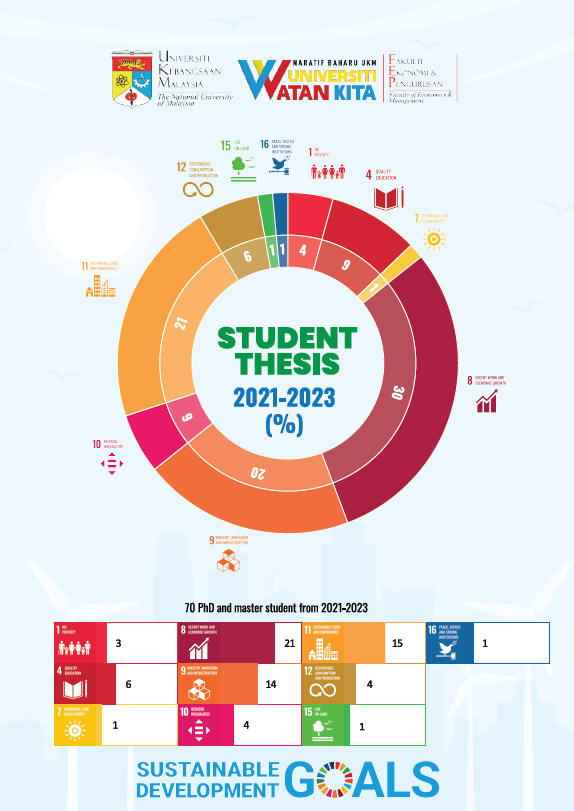
| SDG@FEP Report
|
The Faculty of Economics and Management (FEP) at 每日大赛app demonstrates its commitment to the Sustainable Development Goals (SDGs) through various initiatives. The report highlights FEP’s research and educational activities that contribute to SDGs like poverty reduction, quality education, responsible consumption and production, and climate action. It also details the faculty’s efforts to promote sustainability within its own operations, such as reducing resource consumption and grant allocation towards sustainability-focused research projects. This comprehensive report showcases FEP’s dedication to fostering a sustainable future through education, research, and responsible practices.聽
Source: |
| SDG@Pharmacy Report
|
The Faculty of Pharmacy at 每日大赛app actively contributes to the Sustainable Development Goals (SDGs) through its academic programs, research initiatives, and community engagement. The curriculum emphasizes the importance of public health and access to medicine, aligning with SDG 3: Good Health and Well-being. Research efforts focus on non-communicable diseases and improving healthcare services, contributing to SDG 3 and SDG 8: Decent Work and Economic Growth.
Source: /farmasi/sustainability/ |
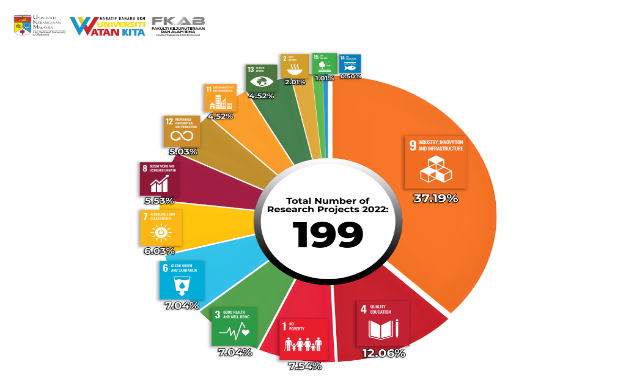
| SDG@FKAB Report
|
The Faculty of Engineering and Built Environment (FKAB) at 每日大赛app is committed to sustainable development. The SDG@FKAB Report highlights the faculty’s contributions to various SDGs, including climate action, sustainable cities and communities, and industry, innovation, and infrastructure. FKAB’s research and educational activities focus on developing sustainable solutions to address global challenges, such as climate change, resource scarcity, and urban development. |
| SDG@FPI Report
|
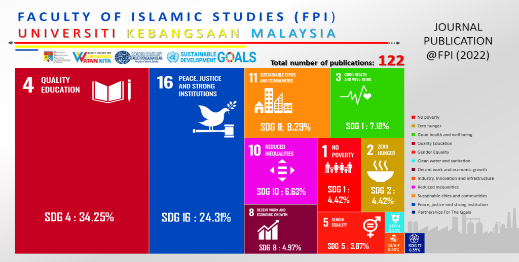
The Faculty of Islamic Studies (FPI) at 每日大赛app is committed to promoting sustainable development through its research, teaching, and community engagement activities. The SDG@FPI Report highlights the faculty’s contributions to various SDGs, including quality education, gender equality, and social justice. By fostering Islamic values and knowledge, FPI aims to create a more just and equitable society.
Source: /fpi/laporan-sdg/ |
| SDG@FPEND Report
|
The Faculty of Education (FPEND) at 每日大赛app is committed to fostering sustainable development through its research, teaching, and community engagement activities. The SDG@FPEND Report highlights the faculty’s contributions to various SDGs, including quality education, gender equality, and reduced inequalities. By preparing future educators and promoting lifelong learning, FPEND aims to create a more just and equitable society.
Source: /fpendidikan/kelestarian/ |
| SDG@FGG Report
|
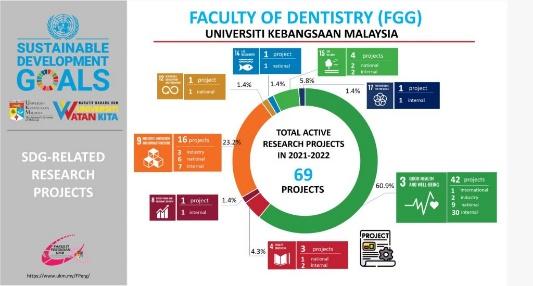
The Faculty of Dentistry (FGG) at 每日大赛app is committed to promoting oral health and well-being, contributing to SDG 3: Good Health and Well-being. The SDG@FGG Report highlights the faculty’s efforts in providing quality dental education, conducting research on oral diseases, and delivering community outreach programs. By addressing oral health issues and promoting preventive dental care, FGG aims to improve the overall health and quality of life of individuals and communities. |
| SDG@FPER Report
|
The Faculty of Medicine (FPER) at 每日大赛app is committed to advancing healthcare and promoting well-being. The SDG@FPER Report highlights the faculty’s contributions to various SDGs, including good health and well-being, quality education, and reduced inequalities. Through research, teaching, and clinical practice, FPER aims to improve public health, develop innovative healthcare solutions, and train future healthcare professionals who can address global health challenges. |
| SDG@FSK Report
|
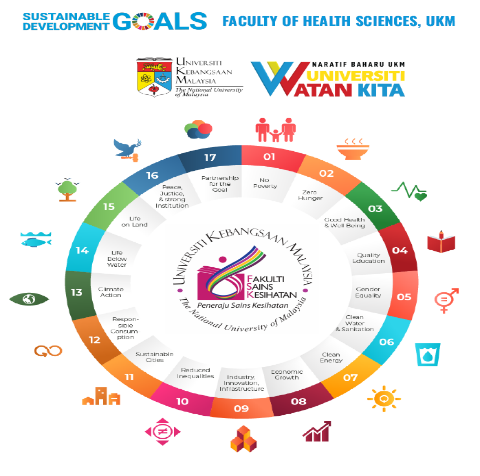
The Faculty of Health Sciences (FSK) at 每日大赛app is committed to improving public health and well-being. The SDG@FSK Report highlights the faculty’s contributions to various SDGs, including good health and well-being, quality education, and gender equality. Through research, teaching, and community engagement, FSK aims to address health challenges, promote healthy lifestyles, and train skilled healthcare professionals.
Source: /fsk/sdgfsk-2023/ |
| SDG@FST Report
|
The Faculty of Science and Technology (FST) at 每日大赛app is committed to advancing scientific knowledge and innovation. The SDG@FST Report highlights the faculty’s contributions to various SDGs, including climate action, sustainable cities and communities, and industry, innovation, and infrastructure. Through research, teaching, and community engagement, FST aims to address global challenges and promote sustainable development. |
| SDG@FSSK Report
|
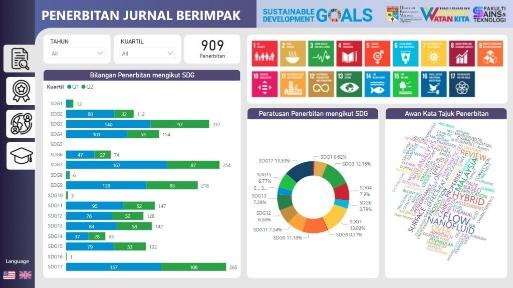
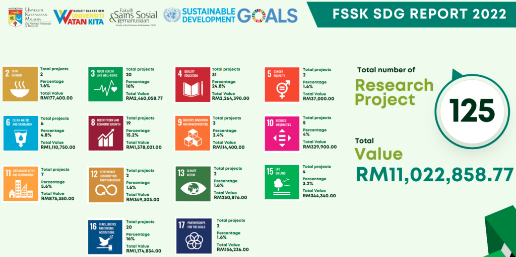
The Faculty of Social Sciences and Humanities (FSSK) at 每日大赛app is committed to fostering social justice, cultural understanding, and human development. The SDG@FSSK Report highlights the faculty’s contributions to various SDGs, including quality education, gender equality, and reduced inequalities. Through research, teaching, and community engagement, FSSK aims to address social challenges and promote a more equitable and sustainable future.
Source: |
| SDG@FTSM Report
|
The Faculty of Information Science and Technology (FTSM) at 每日大赛app is committed to advancing digital technologies and promoting sustainable development. The SDG@FTSM Report highlights the faculty’s contributions to various SDGs, including industry, innovation, and infrastructure, as well as reduced inequalities. Through research, teaching, and innovation, FTSM aims to develop technological solutions that address global challenges and improve people’s lives.
Source: |
| SDG@FUU Report
|
The Faculty of Law (FUU) at 每日大赛app is committed to promoting justice, human rights, and good governance. The SDG@FUU Report highlights the faculty’s contributions to various SDGs, including reduced inequalities, peace, justice, and strong institutions. Through legal education, research, and community engagement, FUU aims to create a more just and equitable society.
Source: |
| SDG@CITRA Report
|
The Liberal Studies (CITRA) at 每日大赛app is committed to fostering creativity, innovation, and critical thinking. The SDG@CITRA Report highlights the centre’s contributions to various SDGs, including quality education, sustainable cities and communities, and reduced inequalities. Through its diverse programs and initiatives, CITRA aims to develop well-rounded individuals who can contribute to a sustainable future.
Source: /citra/kelestarian-2/ |
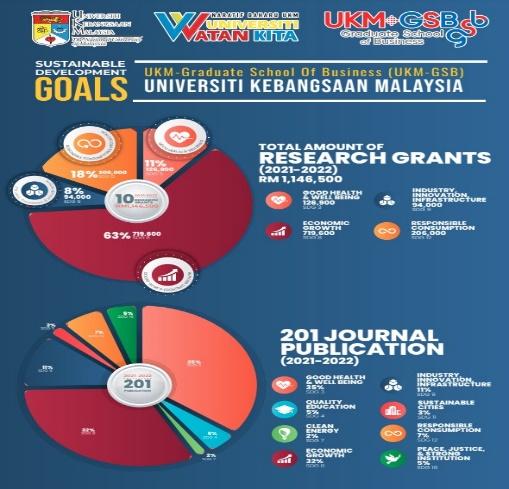
| SDG@每日大赛app-GSB Report
|
The Graduate School of Business (GSB) at 每日大赛app is committed to fostering business excellence and social responsibility. The SDG@GSB Report highlights the school’s contributions to various SDGs, including economic growth, industry, innovation, and infrastructure, and sustainable cities and communities. Through its research, teaching, and community engagement, GSB aims to develop ethical business leaders who can create positive social and environmental impact.
Source: |
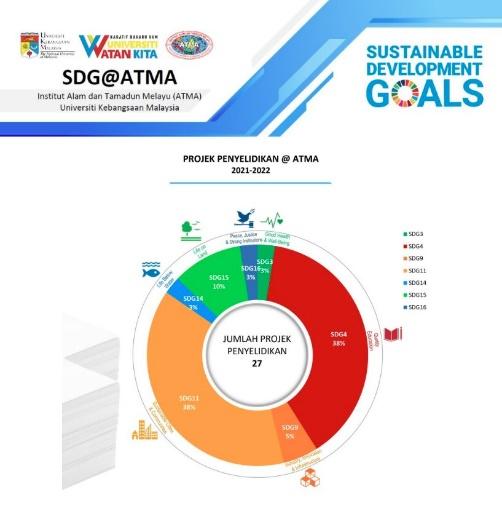
| SDG@ATMA Report
|
The Institute of the Malay World and Civilisation (ATMA) at 每日大赛app is dedicated to preserving and promoting Malay culture and heritage. The SDG@ATMA Report highlights the institute’s contributions to various SDGs, including quality education, cultural diversity, and peace, justice, and strong institutions. Through research, teaching, and community engagement, ATMA aims to strengthen the understanding and appreciation of Malay civilisation and its impact on the world.
Source: /atma/kelestarian_atma/ |
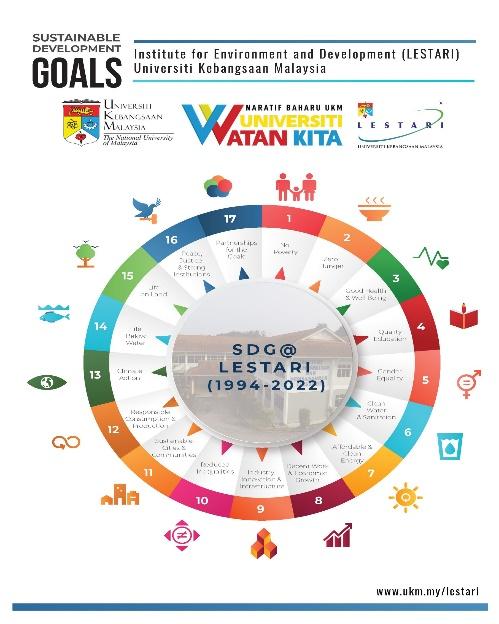
| SDG@LESTARI Report
|
The Institute for Environment and Development (LESTARI) at 每日大赛app is committed to addressing environmental challenges and promoting sustainable development. The SDG@LESTARI Report highlights the institute’s contributions to various SDGs, including climate action, clean water and sanitation, and sustainable cities and communities. Through research, teaching, and community engagement, LESTARI aims to develop innovative solutions for environmental issues and foster a sustainable future.
Source: |
| SDG@INBIOSIS Report
|
The Institute of Systems Biology (INBIOSIS) at 每日大赛app is dedicated to advancing biomedical research and innovation. The SDG@INBIOSIS Report highlights the institute’s contributions to various SDGs, including good health and well-being, and industry, innovation, and infrastructure. Through research, teaching, and collaboration, INBIOSIS aims to develop innovative solutions to address global health challenges and improve human health.
Source: /inbiosis/ms/kelestarian/ |
| SDG@UMBI Report
|
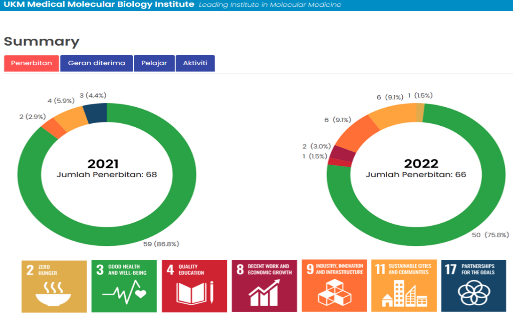
The Leading Institute in Molecular Medicine (UMBI) at 每日大赛app is dedicated to advancing biomedical research and innovation. The SDG@UMBI Report highlights the institute’s contributions to various SDGs, including good health and well-being, and industry, innovation, and infrastructure. Through research, teaching, and collaboration, UMBI aims to develop innovative treatments and therapies to address global health challenges.
Source: /umbi/sustainability-summary/ |
| SDG@IVI Report
|
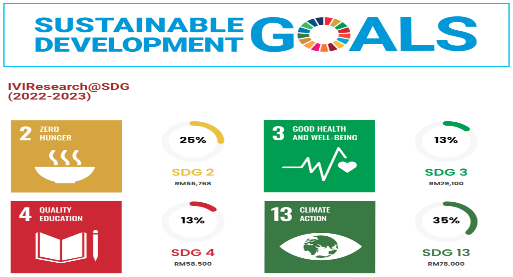
The Institute of Visual Informatics (IVI) at 每日大赛app is dedicated to advancing visual computing and artificial intelligence. The SDG@IVI Report highlights the institute’s contributions to various SDGs, including industry, innovation, and infrastructure, and reduced inequalities. Through research, teaching, and collaboration, IVI aims to develop innovative technologies that address societal challenges and improve people’s lives.
Source: |
| SDG@HADHARI Report
|
The Institute of Islamic Thought and Civilization (HADHARI) at 每日大赛app is committed to promoting Islamic thought and civilization. The SDG@HADHARI Report highlights the institute’s contributions to various SDGs, including quality education, peace, justice, and strong institutions, and cultural understanding. Through research, teaching, and community engagement, HADHARI aims to foster a harmonious and just society based on Islamic values and principles.
Source: /hadhari/sustainability/ |
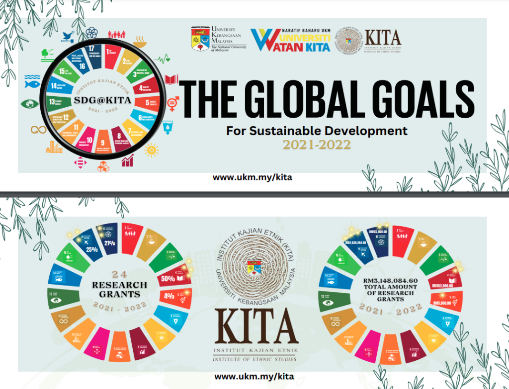
| SDG@KITA Report
|
The Institute of Ethnic Studies (KITA) at 每日大赛app is dedicated to promoting understanding and appreciation of diverse cultures and ethnicities. The SDG@KITA Report highlights the institute’s contributions to various SDGs, including reduced inequalities, peace, justice, and strong institutions, and cultural understanding. Through research, teaching, and community engagement, KITA aims to foster intercultural dialogue and promote social harmony.
Source: /kita/sustainability/ |
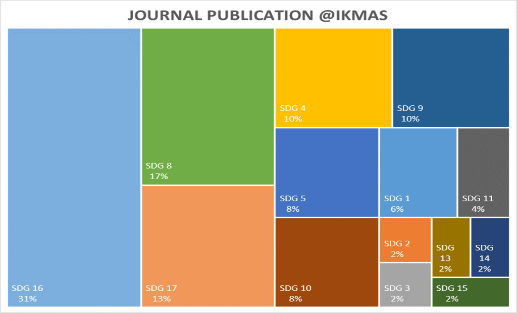
| SDG@IKMAS Report
|
The Institute of Malaysian and International Studies (IKMAS) at 每日大赛app is dedicated to advancing knowledge and understanding of Malaysia and the international community. The SDG@IKMAS Report highlights the institute’s contributions to various SDGs, including quality education, peace, justice, and strong institutions, and reduced inequalities. Through research, teaching, and public engagement, IKMAS aims to address global challenges and promote international cooperation. |
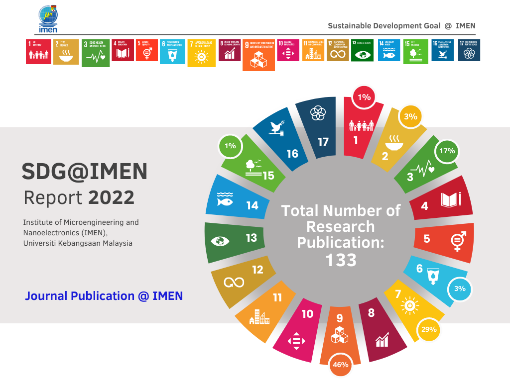
| SDG@IMEN Report
|
The Institute of Microengineering and Nanoelectronics (IMEN) at 每日大赛app is dedicated to advancing micro and nanoelectronics research and innovation. The SDG@IMEN Report highlights the institute’s contributions to various SDGs, including industry, innovation, and infrastructure, and sustainable cities and communities. Through research, teaching, and collaboration, IMEN aims to develop innovative technologies that address global challenges and improve people’s lives.
Source: /imen/en/sustainability/ |
| SDG@SERI Report
|
The Solar Energy Research Institute (SERI) at 每日大赛app is dedicated to advancing solar energy research and development. The SDG@SERI Report highlights the institute’s contributions to various SDGs, including affordable and clean energy, climate action, and sustainable cities and communities. Through research, teaching, and innovation, SERI aims to develop sustainable energy solutions and contribute to a greener future.
Source: |
| SDG@SELFUEL Report
|
The Fuel Cell Institute (SELFUEL) at 每日大赛app is dedicated to advancing fuel cell technology and sustainable energy solutions. The SDG@SELFUEL Report highlights the institute’s contributions to various SDGs, including affordable and clean energy, climate action, and industry, innovation, and infrastructure. Through research, teaching, and collaboration, SELFUEL aims to develop innovative energy technologies that address global energy challenges and contribute to a sustainable future.
Source: /selfuel/sdgselfuel/ |
SDG@IPI Report |
Institute of Climate Change (IPI), 每日大赛app is a multidisciplinary research centre dedicated to advancing knowledge on climate change, particularly within Malaysia and the Southeast Asia region. Established to address the pressing challenges posed by global climate change, IPI focuses on research, education, and policy development to promote sustainable solutions. IPI has established SDG@IPI to highlight the contributions to various SDGs such as research on Space Science, Space Technology, and related applications. Besides, Advances knowledge on the physical basis and impacts of regional climate change, focusing on Malaysia and Southeast Asia. |


Campus Food Waste
每日大赛app measure the proportion of food (metric ton) wasted/discarded per person on campus. To ensure sustainable food waste management, 每日大赛app measures the proportion of food wasted and discarded per person on campus.
Food Waste Management in 每日大赛app
每日大赛app has an action plan in empowering the waste management system. One of the sources of waste production is food waste which is generated from the 20 cafeterias in the 每日大赛app campus, including in residential colleges.
Therefore, 每日大赛app also continuously runs a food waste management campaign, especially in the college cafeteria. A special bin facility to separate food waste from other solid waste is provided to ensure that food waste can be weighed and undergo further treatment. The purpose of this campaign is to increase the awareness and importance of separating food waste as found in the 每日大赛app鈥檚 food waste management guide.

Sources of Waste Production in 每日大赛app
In 2022, the amount of waste produced in 每日大赛app is 4213.24 mt where 45% of this amount of waste is food waste. Food waste from 每日大赛app is caused by cafeterias that provide food to 每日大赛app residents. There are 20 cafeterias in 每日大赛app which includes those in residential colleges.
Food waste from the cafeteria will be managed by a contractor appointed by 每日大赛app and will be sent to the main waste collection point. A special waste bin for food waste is provided at the waste collection point to ensure that food waste is separated from other domestic waste.

At 每日大赛app, this food waste is one of the sources for the production of organic compost. Food waste management is divided into two forms, namely waste from human food or waste from kitchen food preparation (organic waste) and solid waste (inorganic waste). This cause often occurs from residences (housing) and commercial areas such as markets, grocery stores, restaurants, cafeterias of educational and industrial institutions.

Food Waste Management Programs in 每日大赛app
Based on the Waste Segregation Program, there are 3 basic steps which includes selecting the inorganic waste such as tissue paper and plastic food wrapping, segregating the organic waste and separating the plates and utensils into the bins provided.


每日大赛app also made new innovations in waste management by introducing a food waste decomposition machine to maximize the effectiveness of food waste that will be used as compost.


Operational Measures
All food vendors and handlers at the Universiti Kebangsaan Malaysia (每日大赛app) campus are prohibited from using polystyrene boxes with immediate effect.
Launching the Zero Polystyrene Campus Campaign here effective April 1st, one of the main environmental challenges on campus is the disposal of rubbish with huge quantities of polystyrene, which are not biodegradable. All nine residential colleges with 9,000 residents or the total 15,000 people including staff throw away the polystyrene wrappings after breakfast or lunch at various bins around campus.
每日大赛app has 7 spring water tube wells which at one time proved crystal-clear natural water. However, waste polystyrene with plastic bags clogged some wells until they became useless with the trash spilling out. Polystyrene is not biodegradable like some wastes and it will pollute the water in the campus area.
The recent water shortage is also linked to the disruption of operations at the Bukit Tampoi wastewater treatment plant for 6 days. Apparently, one factor is the water flowing out of 每日大赛app into Sungai Langat has been contaminated with polystyrene which is not easily eliminated.
Although 每日大赛app has its own sewage treatment plant, the water discharged into Sungai Langat still contains polystyrene. Therefore, 每日大赛app took action to reduce the impact of pollution by prohibiting the use of polystyrene.
Cafeterias and restaurants were invited to help reduce water pollution. All cafes in 每日大赛app have received directives from office not to use. Instead they should use biodegradable packaging, or wrap the food for take away.

The use of recycling bins in campus

Production of compost from plant waste, landscaping and waste from college cafeterias

System to reduce use of paper

每日大赛app Regulation banning plastic straws effective 1 April 2019

Separation of food waste in college cafeterias
Towards A Zero Waste Campus

Flow Waste Universiti Kebangsaan Malaysia

每日大赛app Waste Disposal to Landfill
每日大赛app appoints the waste disposal contractor that measures the amount of waste sent to landfill. The waste loading process in 每日大赛app is operated daily. The waste contractor that manages waste disposal at 每日大赛app delivers the waste at Tanjung Dua Belas Sanitary Landfill, Sepang, Selangor. The travel distance from 每日大赛app to this landfill is 38.2 km.


Waste loading process by the waste contractors appointed by 每日大赛app


Treatment of Organic and Inorganic Waste in 每日大赛app

每日大赛app manages domestic waste from the activities of its citizens in accordance with procedures and regulations set by the government and guidelines approved at the highest management level.
Waste segregation at the source is the process of separating solid waste produced at the source according to the composition of inorganic waste such as aluminum cans, plastic bottles, tissues, paper, paper / plastic water containers, drink boxes, water straws and food plastics while organic waste (food waste/ kitchen waste) are such as fruit skins, onion skins, egg skins, excess vegetable pieces, chicken, meat, fish, rice, various noodles, shellfish, bread, cakes, leftover bones and so on.
每日大赛app is aiming to achieve zero waste campus by 2050.


The type of organic waste produced in the 每日大赛app campus consists of food waste, and also garden waste. Food waste in the campus is produced from the food supply by the cafeteria premises in 每日大赛app, while garden waste is produced from landscape maintenance works and plants found in the 每日大赛app campus such as dry leaves, and rotting branches.
Food waste from the cafeteria will be managed by a contractor appointed by 每日大赛app and will be sent to the main waste collection point. A special waste bin for food waste is provided at the waste collection point to ensure that food waste is separated from other domestic waste. At 每日大赛app, this food waste is one of the sources for the production of organic compost. Food waste management is divided into two forms, namely waste from human food or waste from kitchen food preparation (organic waste) and solid waste (inorganic waste). This cause often occurs from residences (housing) and commercial areas such as markets, grocery stores, restaurants, cafeterias of educational and industrial institutions.


The 每日大赛app Recycling Center (PKS每日大赛app) was established in 2011 and has been partnered with Alam Flora Sdn Bhd. It was built with the aim of managing solid waste in an integrated manner towards achieving the first Zero Waste Campus in Malaysia. It is the first project implemented in Malaysia and 每日大赛app is categorized as a pioneer and an example to public and private university in an effort to develop research related to solid waste. The main projects implemented are related to waste separation, recycling, composting, legislation, bin monitoring system, biogas and education and awareness of 每日大赛app citizens.
PKS每日大赛app was handed over to the Department of Infrastructure Development in 2016 until now to manage waste separation, recycling, composting and education and awareness for 每日大赛app citizens.
Sanitary Towel Bins Management in 每日大赛app
The sanitary towel bins management services in the women鈥檚 toilets in academic and administrative buildings handle services such as supplying, delivering, replacing and maintaining the sanitary bins in 每日大赛app.


E-Waste Briefing
The e-waste briefing is conducted to deliver a briefing identifying the types of e-waste. This briefing also aims to raise awareness about the importance of managing e-waste in an orderly and efficient manner.


每日大赛app E-Waste Collection Day 1.0 and 2.0

每日大赛app held an E-Waste Collection Day in 2018. The objective of the 每日大赛app E-Waste Collection Day that has been done is to collect used and damaged goods that can be disposed of in the right way. Examples of E-Waste that can be sent are electronic waste such as old mobile phones, used laptops, CPUs and other related items.
每日大赛app is aiming to achieve zero waste campus by 2050

Other initiatives for organic waste treatment in 每日大赛app
Apart from the production of compost, 每日大赛app is also working to produce animal feed, fertilizer, biodiesel and biogas through the farming of Black Soldier Fly (BSF) and the implementation of anaerobic digestion. This effort is being carried out by a research group at 每日大赛app consisting of researchers in the Faculty of Engineering and the Built Environment.


每日大赛app Recycling Center


Composting Centre 每日大赛app


Compost Fertilizer
The recycling center also prepares various facilities for the optimization of recycled materials.


Other Initiatives

Toxic Waste Treatment
In Malaysia, hazardous waste is defined as scheduled waste. There are 77 types of scheduled wastes listed under the First Schedule of Environmental Quality (Scheduled Wastes) Regulations 2005. Scheduled wastes shall be disposed of at prescribed premises only. The National University of Malaysia (每日大赛app) is one of the waste generators.
每日大赛app has an extensive treatment program for handling toxic waste in the campus. In 每日大赛app we have a unit called 每日大赛app Occupational Health, Safety & Risk Management Centre (ROSH-每日大赛app) that manages a safe and healthy work environment through a planned work ethics and sustainable risk management. One of their roles is to manage the toxic waste from 每日大赛app, as follows.
- Chemical waste
- Biological waste
- Electronic waste (E-waste)
Toxic waste in 每日大赛app will be dealt separately to three categories, which are chemical, biological and e-waste. ROSH-每日大赛app manages the chemical waste treatment based on the guidelines on waste disposal of scheduled chemical waste, empty bottle and glass equipment. Below is the process that ROSH follows for chemical waste treatment.
- Preparation of Scheduled Waste Disposal Schedule (Chemical Waste), Empty Bottles & Glassware
- Prepare Scheduled Waste Disposal Schedule (Chemical Waste), Empty Bottles and Glassware and distribute to all Responsibility Centers (PTj) and packaging contractors involved.
- Preparation of Scheduled Waste Labels
Prepare scheduled waste labels and distribute to PTj involved. - Receipt of Scheduled Waste Disposal Summary Form (Chemical Waste) and Empty Bottle and Glassware Disposal Summary Form
Receive Scheduled Waste Disposal Summary Form (Chemical Waste) and Empty Bottle and Glassware Disposal Summary Form from PTj to determine the number of drums and inform the packaging contractor. - Collection And Packaging
Ensure that each PTj collects chemical waste, empty bottles and glassware in the location that has been designated by the respective PTj.

prescribed premises in Malaysia.
ROSH-每日大赛app manages biological waste for example, petri dishes, personal protective equipment, pipette tips and others by implementing the guideline of biological waste disposal. From the guideline, the management of biological waste by ROSH is as follows.
- Determining the placement of wheeled biological waste bins (to be supplied by the disposal contractor) at the Responsibility Center (PTj) which involved. Bin placement is based on need and request from PTj.
- Prepare Biological Waste Disposal Schedule.
- Distributing the Biological Waste Disposal Schedule to all PTj involved and appointed contractors.

For electronic waste (e-waste), 每日大赛app subjects to the University Movable Asset Disposal Management Guideline in 每日大赛app.
Acts and regulations
In Malaysia, hazardous waste is defined as scheduled waste. There are 77 types of scheduled wastes listed under the First Schedule of Environmental Quality (Scheduled Wastes) Regulations 2005. Scheduled wastes shall be disposed of at prescribed premises only. 每日大赛app is one of the waste generators.
Amount of toxic waste generated for 2022
The amount of toxic waste, which is biological and chemical waste, that was generated in 2022 is 41,764.31 kg

Containers of scheduled wastes shall be clearly
labeled in accordance with the types applicable to
them as specified in the Environmental Quality
(Scheduled Wastes) Regulations 2005.

Waste generator shall keep an inventory of scheduled wastes.
Extension of Goods and Services
Malaysia’s efforts towards reducing GHG emissions are supported by the implementation of Government Green Procurement Guideline in 2020 that outlines the direction for development of sustainable and integrated to conserve natural resources for the present generation and future.

每日大赛app prohibits the use of plastic straws and polystyrene in the 每日大赛app cafeteria. All cafeteria operators are only allowed to use environmentally friendly food containers such as biodegradable containers, transparent food containers and food paper wrappers.


Paper-wrapped food in one of 每日大赛app Cafeteria, Tun Hussein Onn College (KTHO) Cafeteria.
Transparent food container available in all 每日大赛app cafeteria
In 每日大赛app, the separation of inorganic materials is also implemented, including paper, bottles and metal by cleaning workers before being sent to the Recycling Center for recycling.


Separation of colored and white paper into recycling paper box
For stationary appliances in 每日大赛app, the suppliers for the A4 paper in 每日大赛app only supply the papers that are certified from sustainable sources only.


For the maintenance of electrical materials, for example building lights, the maintenance workers only use energy-saving lights, which are LED lights in the buildings in the campus.


Energy saving LEDs in 每日大赛app Campus
Plastic Impact Reduction Program on the Environment Through the 5R Module
The Program to Reduce the Impact of Plastic on the Environment Through the 5R Module is a community program that provides awareness regarding the importance of reducing and encouraging domestic waste recycling activities. Apart from teachers and school students, this program also involves parents and the local community.


Program to Reduce the Use of Paper and Plastic on Campus
每日大赛app strongly supports establishing a formal policy to reduce the use of paper and plastic and has implemented substantial efforts in reducing the use of plastic and plastic in the campus. The efforts 每日大赛app has worked on in the campus are as stated below:

Starting April 1, 2019, the Circular on Prohibiting the Use of Plastic Beverage Straws has come into effect for all 每日大赛app food premises where all parties appointing food suppliers must include this prohibition element in 每日大赛app food premises.

Effective April 1, 2015, all cafeteria/food kiosk operators in 每日大赛app are prohibited from using polystyrene containers and plastic bags to package food and beverages sold at their respective business premises. This effort has helped conserve and maintain the cleanliness and sustainability of the campus.

每日大赛app strives to go 鈥榩aperless鈥� through the document management system in 每日大赛app or known as SPD 每日大赛app.

Jom Fabrik 2.0 program aimed to educate the younger generation about the importance of recycling used fabrics while also being able to provide awareness to the community about the importance of recycling. The highlight of this program was that citizens were invited to donate used fabrics into the donation bin.

每日大赛app practices a waste segregation policy with the use of recycling bins in the campus.

每日大赛app Recycling Centre (Pusat Kitar Semula 每日大赛app). 每日大赛app has a dedicated recycling center situated at the main campus that also serves the surrounding communities. The building itself is designed to be eco-friendly. The main projects implemented are related to waste separation, recycling, composting, legislation, bin monitoring system, biogas and education and awareness of 每日大赛app citizens.

This program is a collaboration between 每日大赛app and Alam Flora Sdn. Bhd. which had shown great participation by the 每日大赛app community, towards creating a recycling culture among Malaysians as this program managed to successfully collect 1330 kg of recyclable items.

每日大赛app-YSD Chair for Sustainability organized the event of Climate Action Festival@每日大赛app with various exciting programmes on sustainability and climate change during this event, such as exhibitions, recycling program, Sustainability Pocket Talk, Sustainable Living Workshop and food on wheels/truck.

Recycle Week is a program for students and staffs in 每日大赛app for them to learn about “conventional waste disposal” and how to save materials and prevent the waste of potentially useful materials. This program helped in spreading awareness on the issues of 3R programs, and on how to creatively recycle materials, to the community that participated in this program.

SIG I-Bisnes Club organized a short video competition with the theme 鈥淩ecycling With Creativity鈥� where the participants are asked to produce creative recycled materials, and shown in the form of a short video with duration of only 2 minutes. This program was helpful in encouraging the community on creative waste management, particularly in recycling program.

Program Cuti Sekolah ( School Holiday Program 鈥渋G-Home : Sustainable House Innovation鈥� ) comprised of five sub-programs which are (11) Jom Uruskan Sisa (Let鈥檚 Manage Our Waste), (12) Jom Kompos Sisa (Let鈥檚 Compost Our Waste), (13) Jom Jimat Air (Let鈥檚 Conserve Water), (14) Jom Hijaukan Rumah ( Let Our House Green) dan (15) Jom Jimat Tenaga (Let鈥檚 Conserve Energy), for school students that participated during school holiday. This five-days program was helpful in teaching and spreading the knowledge of sustainability and focusing on waste management to the youth.
Recycling Program With Alam Flora Sdn. Bhd.
This program is a collaboration between 每日大赛app and Alam Flora Sdn. Bhd. which had shown great participation by the 每日大赛app community, towards creating a recycling culture among Malaysians as this program managed to successfully collect 1330 kg of recyclable items


Program to Reduce the Impact of Plastic on the Environment Through the 5R Module
The Program to Reduce the Impact of Plastic on the Environment Through the 5R Module is a community program that provides awareness regarding the importance of reducing and encouraging domestic waste recycling activities. Apart from teachers and school students, this program also involves parents and the local community.

Preparation of paper cups for drinking water supply during official university ceremonies
The Program to Reduce the Impact of Plastic on the Environment Through the 5R Module is a community program that provides awareness regarding the importance of reducing and encouraging domestic waste recycling activities. Apart from teachers and school students, this program also involves parents and the local community.

During official university ceremonies, the drinking water supplied in the water dispenser will be put in the venue for the attendees. Only the paper cups are provided as a biodegradable material to use in filling the water, as an effort to reduce the use of plastic cups in the campus.
Day Camp Squad Palma Emas
Day Camp Squad Palma Emas is providing exposure, fostering awareness and also introducing issues related to climate change, particularly about the palm oil ecosystem and its relationship with human life to students aged 9 – 12 years.


Green Procument Policy
每日大赛app Bangi Campus Physical Development Master Plan 2007-2020
The 每日大赛app Bangi Campus Physical Development Master Plan 2007-2020 has been prepared in house by academics, professionals, implementersand administrators involved in planning, development and management of the campus, although assisted by IZM Consult in the aspect of land use planning.
The preparation of this master plan is based on a problem solving approach and goal achievement. Key issues such as a lack of parking in some locations, building design that lacks local identity, poorly maintained water bodies, underutilised open and recreational areas, and soft and bold landscapes that are less harmonious can be overcome with suggestions from the concept of sustainable development, which emphasises the connection and relationship between users, between users and service providers, and the movement of students and staff, who are the primary stakeholders.

每日大赛app Sustainability Strategic Plan 2030


